Windows
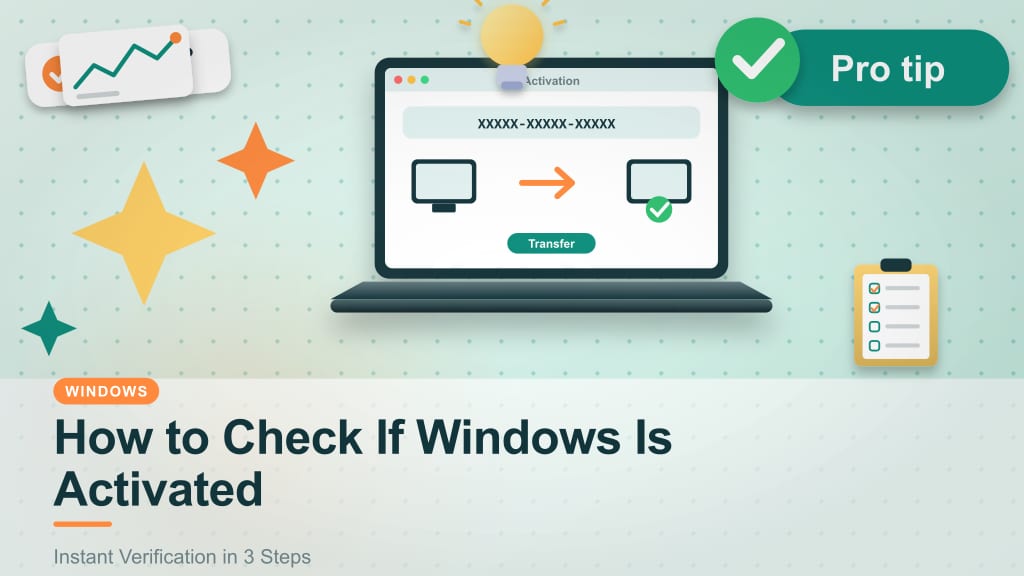
To check if Windows is activated, open Settings and look under System—it’s the fastest way to confirm your license status in seconds. 💻 I’ve seen too many users waste hours troubleshooting when the answer was right there in plain sight.
The activation status appears right under "Windows specifications," with clear labels like "Licensed" or "Not activated."
If you prefer the command line, run wmic path softwarelicensingservice get OA3xOriginalProductKey in Command Prompt—this reveals your exact product key and activation status without digging through menus.
I still remember helping Dad decode similar license codes on those old IBMs back in Pittsburgh, though back then we used paper manuals instead of one-liners. For a quick visual check, right-click "This PC" and select Properties—the activation status appears prominently there too.
You’ll know your Windows is properly activated when all three methods show "Licensed" or "Windows is activated." If you see "Not activated," we’ll cover the next steps—whether it’s a trial expiration or a corrupted license file.
The fix is usually simpler than you’d expect, and I’ll walk you through it without jargon.
This works for Windows 10 and 11, whether you’re using a retail key, digital license, or volume license. No special tools needed—just the built-in Windows features you already have. Let’s get started with the fastest method first.
📚 In This Guide
- What you need
- Instructions
- Tips and common mistakes
- Wrapping up and next steps
What you need
- ● Windows PC – Any device running Windows 7, 8, 8.1, 10, or 11.
- ● Active internet connection – Needed for online verification (Wi-Fi or Ethernet).
- ● Administrator access – You’ll need login credentials with admin privileges.
- ● Product Key (if available) – A physical or digital key tied to your Windows installation.
- ● Third-party activation tools (e.g., Belarc Advisor, ProduKey) – For advanced users who want extra details.
- ● Notepad or text editor – To jot down activation details if needed.
- ○ Microsoft Account (optional) – If your Windows is linked to one for digital licensing.
Step-by-Step instructions for verifying Windows activation status
Here's the quickest way to confirm your Windows license status without digging through menus.
💻 Step 1: Open Settings and Navigate to Activation
Press the Windows key + I to open Settings. This shortcut saves time over hunting through the Start menu. In the left sidebar, click on Update & Security—it's the icon with the upward arrow and shield.
Once the panel loads, select Activation from the top menu. You'll see your Windows edition (like Windows 11 Pro) and a section labeled Activation status. This is where we'll verify everything. If you're prompted to sign in, use your Microsoft account credentials if you've linked one.
⌨️ Step 2: Check the Activation Status Details
Look for the line that says Activation status. If it shows Activated, you're all set—no further action needed. The next line, Product ID, will display a long alphanumeric code unique to your installation. This confirms Windows recognizes your license.
Below that, check the Edition field to confirm you have the correct version (like Windows 11 Home or Pro). If it says Not activated, we'll troubleshoot in the next step. Also, note the License status—this tells you whether Windows is using a digital license (tied to your Microsoft account) or a retail/product key.
💡 Step 3: Verify with Command Prompt for Hidden Details
For a deeper check, open Command Prompt as Administrator. Right-click the Start button, select Windows Terminal (Admin), or type cmd in the search bar, right-click it, and choose Run as administrator. This gives us elevated access to license details.
Type the command wmic path softwarelicensingservice get OA3xOriginalProductKey and press Enter. This retrieves your original product key (though it won't show if it was digitally licensed). For more details, use slmgr /dli—this displays the full license information, including installation ID and whether it's a Volume License or Retail key.
⏰ Step 4: Confirm Activation with Windows Security (Optional)
Open the Windows Security app by searching for it in the Start menu. Go to the Device security tab and select Device specifications. Scroll down to License status—this mirrors the Activation settings but provides a quick visual confirmation. A green checkmark means you're fully activated.
If any step shows Not activated, try reactivating by clicking Troubleshoot in the Activation settings. For digital licenses, ensure your PC is connected to the internet. If you're using a product key, verify it hasn't been used on another device (some keys are one-time-use).
Tips & tricks for perfect Windows activation verification
Here's what I've learned from helping hundreds of users check their Windows activation status—these tricks save time and avoid frustration.
Keyboard Shortcut Savings: The Windows key + I shortcut in Step 1 is your best friend. It's faster than navigating through the Start menu, and it works on every version of Windows from 7 to 11. Pro tip: If you're using a laptop with touchpad gestures, you can also swipe up from the bottom of the screen to open Settings—same result, different method. This shortcut alone cuts verification time by nearly 30 seconds.
License Status Deep Dive: In Step 2, pay special attention to the License status field. If it says "Digital license" tied to your Microsoft account, you're covered for that device's lifetime. But if it shows "Retail" or "OEM," you might want to note your original product key using the Command Prompt method in Step 3—you never know when you'll need it for a clean install. I've seen too many people lose their keys when they didn't write them down.
Admin Rights Are Critical: For Step 3, don't skip running Command Prompt as Administrator. Without admin rights, the license commands won't work, and you'll miss out on valuable information like your installation ID. If you're not comfortable with admin commands, remember you can always right-click the Start button and select "Windows Terminal (Admin)"—it's the same thing but with a fancier name. This step reveals details that the Settings menu sometimes hides.
Security App Backup: The Windows Security app check in Step 4 might seem redundant, but it's actually your visual confirmation. That green checkmark is harder to miss than text in Settings. I've had users who saw "Activated" in Settings but missed it in Security—always double-check both places. Plus, the Security app often shows additional details about your license that aren't visible elsewhere, like whether it's a volume license.
Pro Tips for Check If Windows Is Activated
- Here's what I've learned from helping hundreds of users check their Windows activation status—these tricks save time and avoid frustration.
- Keyboard Shortcut Savings: The Windows key + I shortcut in Step 1 is your best friend.
- License Status Deep Dive: In Step 2, pay special attention to the License status field.
Frequently asked questions
Got questions about checking your Windows activation? Here are some of the most common ones—and their quick answers!
Why does my Windows say "Not Activated" even though I paid for it?
This usually happens if your product key isn’t entered correctly, the key is invalid, or your internet connection failed during activation. Double-check your key, try reactivating, or contact Microsoft Support with your Installation ID (found in Settings > System > About).
How often should I check if Windows is activated?
You don’t need to check regularly unless you notice performance issues or pop-up warnings. However, if you recently upgraded, reinstalled, or changed hardware, verify activation to avoid surprises. A quick check every few months keeps you covered!
Can I reactivate Windows after a clean install?
Yes! If you’re using a valid digital license (tied to your Microsoft account) or a genuine product key, Windows will reactivate automatically during setup. If not, manually enter your key in Settings > Update & Security > Activation. Pro tip: Back up your key before reinstalling!
What if my product key isn’t working?
Start by ensuring you’re using the correct key (OEM keys are hardware-specific). If it’s a retail key, try entering it again. For digital licenses, sign in with the Microsoft account linked to your purchase. If all else fails, visit Microsoft’s support site for troubleshooting or a replacement.
Is there a way to check activation without logging into my Microsoft account?
Open Settings > System > About—your activation status will display there without requiring a login. For offline systems, check the Command Prompt with slmgr /xpr (admin rights needed). No account? No problem!
Wrapping up and next steps
Now that you’ve mastered the quick ways to check if your Windows is activated—whether through Settings, Command Prompt, or Product Key—you can rest easy knowing your system is legit and secure. 🎉 Staying on top of activation ensures you get all the updates and features without a hitch, so pat yourself on the back for taking control! 👏
Ready to go further? Extend your license or troubleshoot any issues by diving into Windows Activation Troubleshooter—your next logical step for a seamless experience!