
Tip & Trick
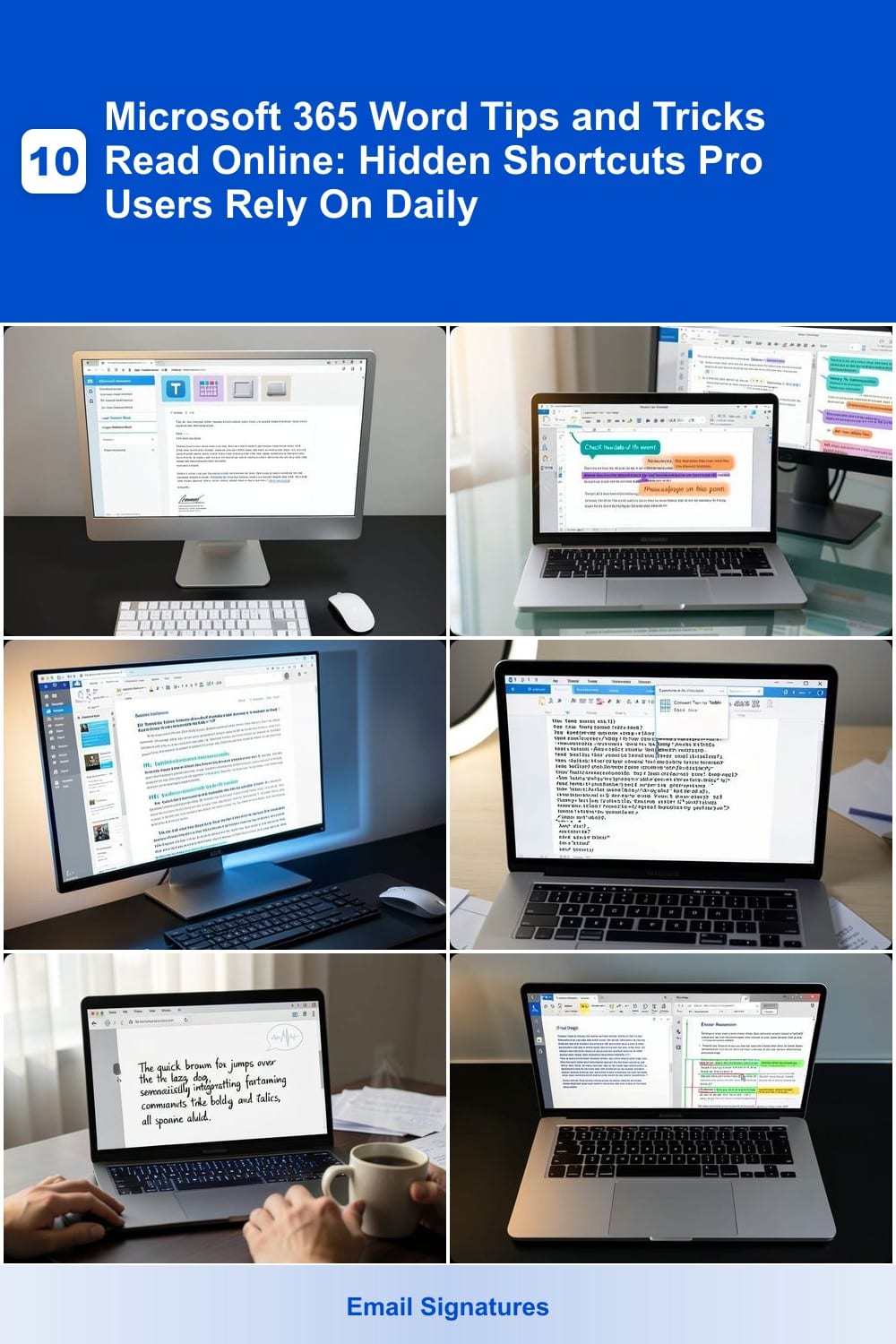
Microsoft Word is a powerhouse, but most users only scratch the surface. These seven hidden Microsoft 365 Word tips and tricks will transform your workflow—saving time, boosting creativity, and eliminating frustrating manual tasks. Master these shortcuts to work like a pro.
Quick Parts Gallery for Reusable Content Blocks
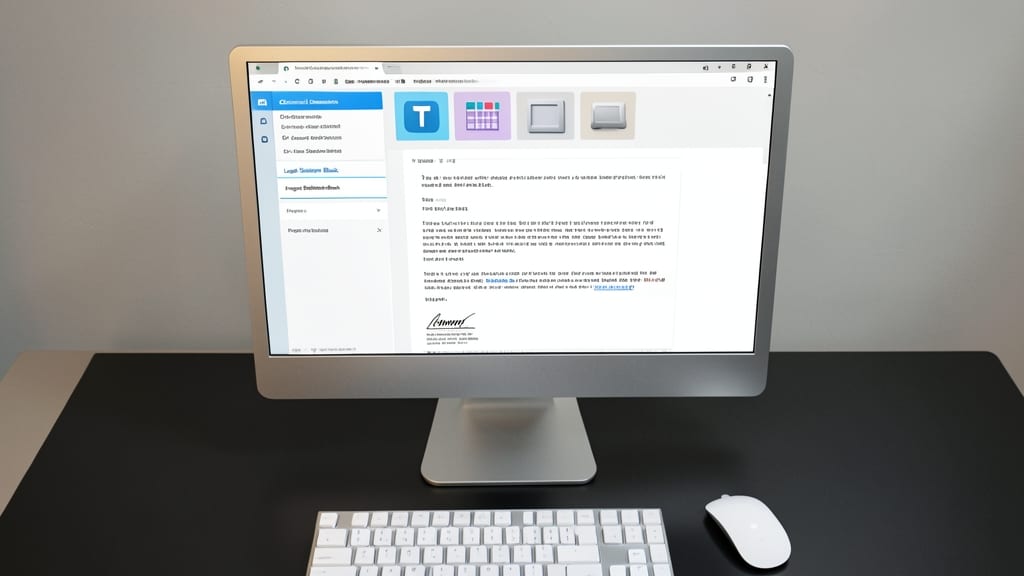
Tired of retyping the same disclaimers, signatures, or boilerplate text in every document? The Quick Parts Gallery in Microsoft 365 Word is your time-saving secret weapon—store frequently used text, tables, or graphics once, then insert them instantly with a few clicks. No more hunting for saved files or copying/pasting across documents.
To get started, type your reusable content (like a standard footer or legal disclaimer), then select it and click Insert > Quick Parts > Save Selection to Quick Parts Gallery. Name it (e.g., "Client Signature") and it’ll appear in the dropdown menu for future use. For even faster access, pin your most-used blocks to the Quick Access Toolbar. You can also store tables, images, or even entire sections—perfect for reports, contracts, or templates.
This trick is a game-changer for legal teams, freelancers, or anyone drafting repetitive documents. Spend less time typing and more time refining content—your future self will thank you. ⚡
Track Changes with Comments and Highlights
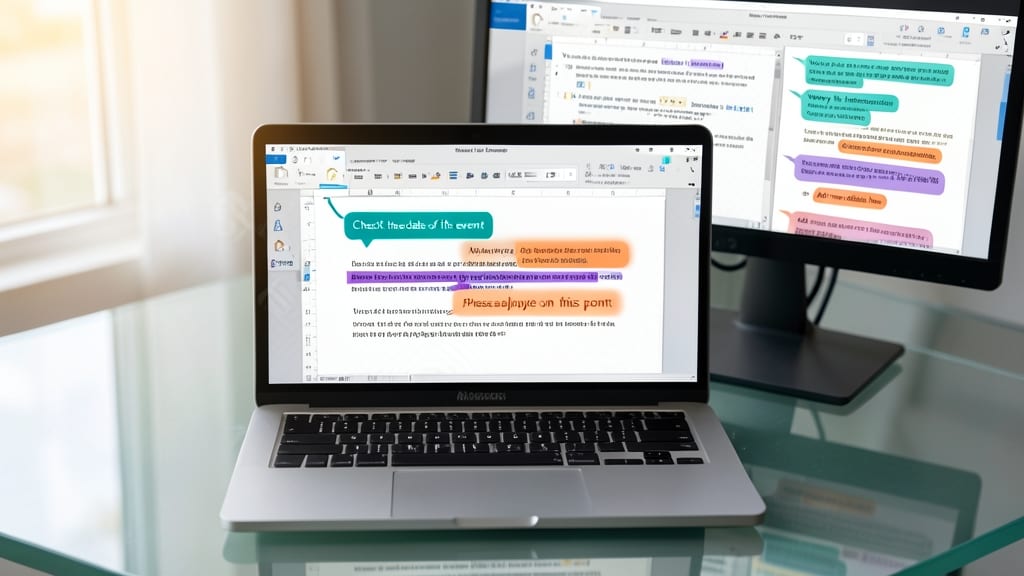
Collaborative editing just got smarter with Track Changes, but most users miss the real power: inline comments and color-coded highlights. Instead of just marking edits, you can now pinpoint exactly why a change was made—whether it’s a stylistic tweak, a factual correction, or a request for clarification.
Enable it by selecting Review > Track Changes > Highlight Changes (choose "All" for full visibility), then add comments by right-clicking text and selecting New Comment. Use color-coded highlights (via Home > Font Color) to mark sections needing attention—like blue for questions or yellow for suggestions. This turns passive edits into an active conversation, so clients or teammates see both the change and the reasoning behind it.
Ideal for legal teams, academic researchers, or freelancers working with clients—this method cuts back-and-forth emails and keeps feedback organized in one place. No more lost context! 💡
Navigate Documents with Navigation Pane
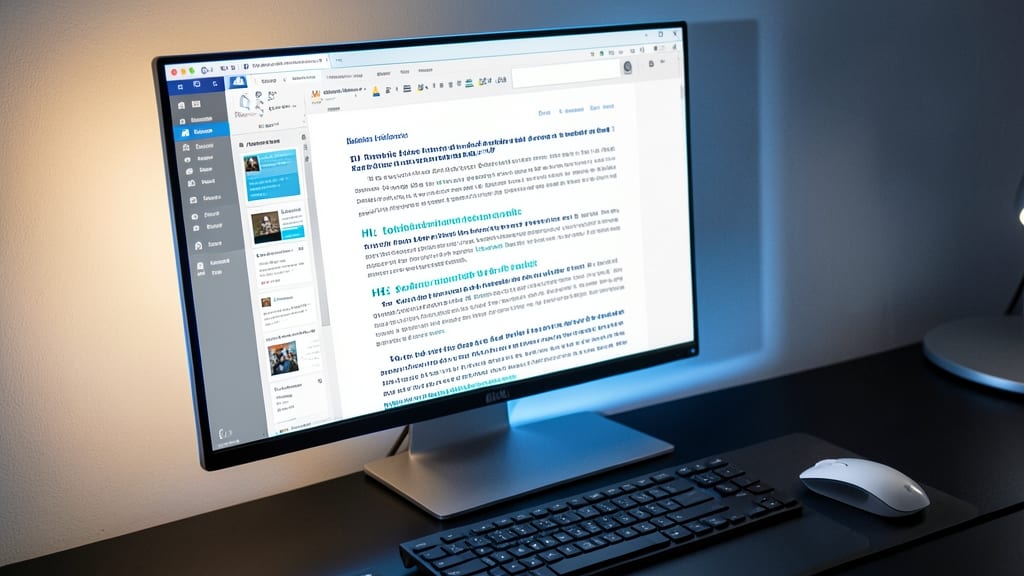
Struggling to find your way through a 50-page research paper or technical manual? The Navigation Pane in Microsoft Word acts like a built-in table of contents, letting you jump to headings, pages, or even comments with a single click—no more endless scrolling.
To access it, press Ctrl+F (Windows) or Cmd+F (Mac), then click the "Navigation" tab. Here, you’ll see three panels: Headings (for structured documents), Pages (for quick jumps), and Results (for comments or search terms). Pro tip: Use the "Expand/Collapse" button to organize headings hierarchically for even faster navigation.
This trick is a lifesaver for academics, legal professionals, and technical writers who work with dense documents. Once you master it, you’ll wonder how you ever lived without it. ⚡
Convert Text to Tables with AutoFit
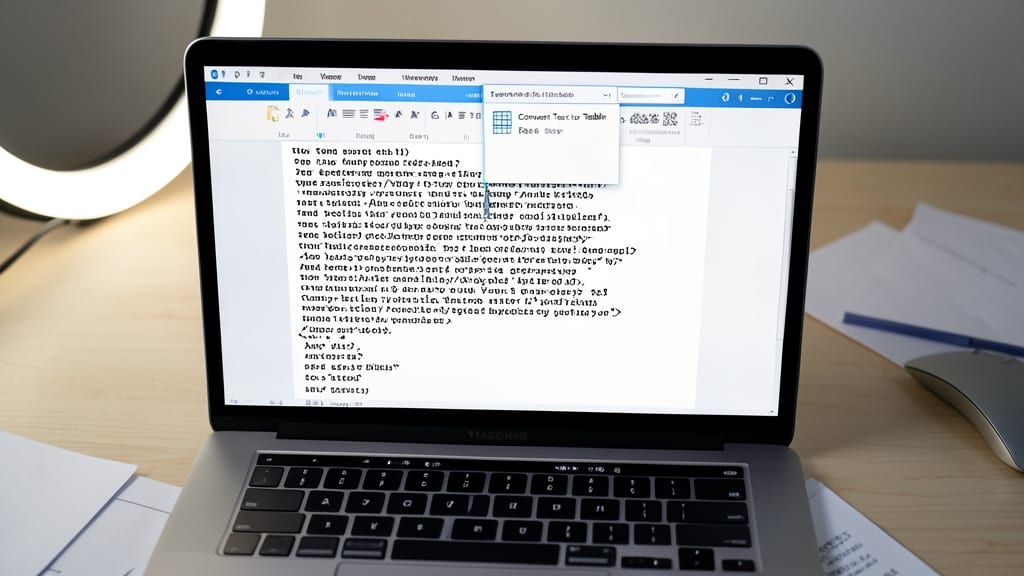
Tired of manually formatting tables from messy lists or data dumps? Microsoft Word’s Text to Table feature converts unstructured text into clean, organized tables with just a few clicks—no manual column resizing required.
First, select your text, then head to Insert > Table > Convert Text to Table. Choose delimiters like tabs or commas to define columns. After conversion, right-click any column border and select AutoFit > AutoFit Contents to resize columns perfectly to your data—no more squinting at cut-off text. This trick is a lifesaver for turning raw data exports or handwritten notes into professional-looking spreadsheets.
Perfect for data analysts, project managers, or anyone who imports messy CSV files or handwritten lists into Word. Give your reports a polished look in seconds! ✨
Dictate Text Hands-Free with Speech-to-Text
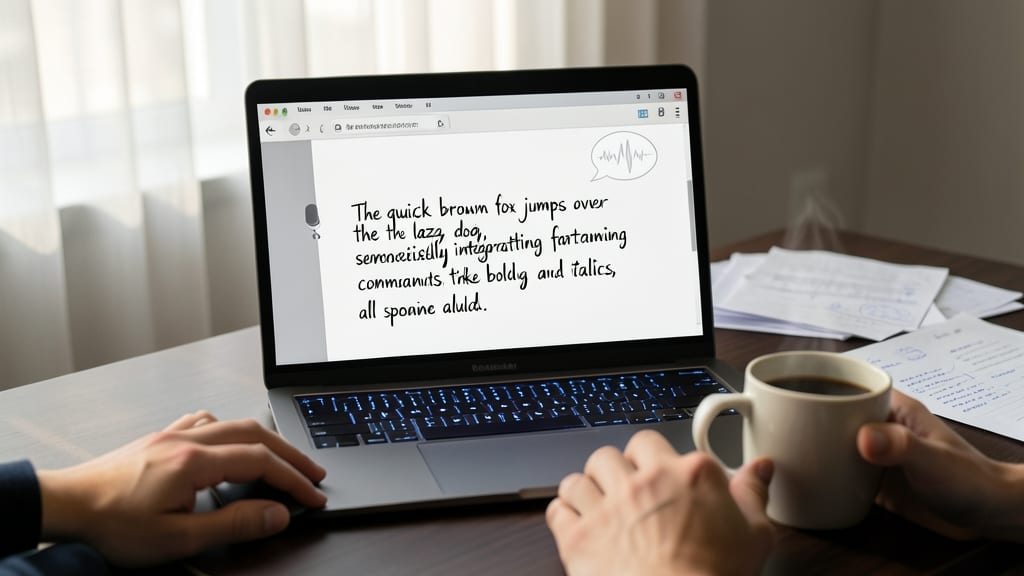
If typing feels like a chore—especially for long documents or when your hands are tired—Microsoft Word’s built-in speech-to-text tool lets you dictate entire paragraphs, edit existing text, and even format content using just your voice. No typing required.
To get started, click the microphone icon in the Home tab (or press Win + H on Windows). Word’s voice recognition converts speech to text in real time, with support for punctuation commands like "period," "comma," or "new paragraph." You can also edit existing text by dictating changes (e.g., "Delete the word 'quickly'") or format paragraphs with commands like "Bold this sentence."
This feature is a game-changer for writers with carpal tunnel, developers drafting code comments, or professionals transcribing meetings. Try it for your next email draft or report—your wrists will thank you! ✨
Compare Documents Side-by-Side
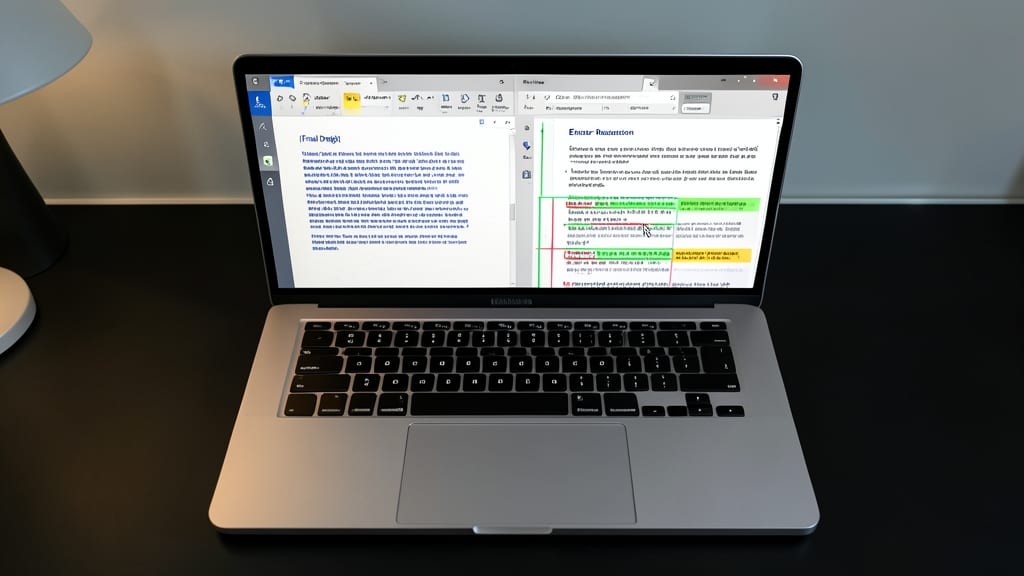
Ever struggled to reconcile two versions of a document—like a final draft and an earlier revision? Microsoft Word’s Compare Documents tool lets you merge and visualize changes side-by-side in real time, highlighting additions, deletions, and formatting shifts with precision.
To use it, go to Review > Compare > Compare and select both files. Word instantly displays a split-screen view with color-coded markup (green for additions, red for deletions) and a detailed summary of changes at the bottom. You can even accept/reject changes individually or merge the documents into one clean version. This is a lifesaver for legal teams, academics, or anyone tracking edits across drafts.
Perfect for collaborative projects where version control is critical, this tool saves hours of manual cross-referencing. ⚡
Customize Quick Access Toolbar Shortcuts

Tired of hunting through menus for commands like Insert Table or Undo? The Quick Access Toolbar lets you pin your most-used actions to the top of the screen for instant access—no more digging through ribbons or memorizing shortcuts.
Right-click the toolbar to customize it, adding commands like Save, Print, or even Speech-to-Text. You can also drag frequently used buttons (like Track Changes or Comment) directly from the ribbon. The toolbar syncs across devices in Microsoft 365, so your setup follows you whether you’re on a desktop or laptop.
Perfect for power users who draft reports, edit documents collaboratively, or work with repetitive tasks—this tweak turns Word into a personalized powerhouse. ✨