
Software
Navigating Microsoft SQL Server Management Studio (SSMS) versions can be confusing with frequent updates. This guide compares 10 key SSMS versions, highlighting release dates, major features, and critical upgrades to help you choose the right tool for your database management needs.
SQL Server Management Studio 18.0

If you're managing SQL Server 2019 and want the most polished, feature-rich experience, SSMS 18.0 is the go-to choice. Released as the latest stable version, it delivers a refined interface with enhanced IntelliSense that reduces syntax errors and speeds up query development—critical for database administrators juggling complex schemas.
The query performance improvements are noticeable, especially when working with large datasets, while full SQL Server 2019 compatibility ensures seamless integration with features like Intelligent Query Processing and Big Data Clusters. Security patches and bug fixes are also baked in, making it a battle-tested setup for production environments. ✨
SQL Server Management Studio 17.9

If you’re managing SQL Server 2017 or transitioning legacy systems to Azure, SSMS 17.9 is the last standalone version you’ll need. Released as Microsoft prepared to separate SSMS from the main SQL Server installer, it packed critical improvements for cloud and on-premises workflows.
This version introduced enhanced Azure SQL Database integration, letting you manage cloud instances directly from the familiar SSMS interface. It also added full support for SQL Server 2017, including its advanced security features and performance optimizations. The Object Explorer gained clearer visual cues for Azure resources, making hybrid environments easier to navigate.
Perfect for IT admins upgrading from older SQL Server versions or developers maintaining mixed on-prem/cloud databases, SSMS 17.9 bridges the gap between legacy and modern tools. ⚡
SQL Server Management Studio 17.8

If your enterprise handles sensitive data—like healthcare records or financial transactions—SQL Server Management Studio (SSMS) 17.8 is the version that finally unlocked Always Encrypted, a game-changer for security-conscious teams. This was the first SSMS release to fully support SQL Server 2017’s encryption-at-rest and in-transit features, ensuring data remains protected even from database administrators.
The Always Encrypted feature lets you encrypt columns containing PII (Personally Identifiable Information) or credit card data without sacrificing query performance. You can still run complex queries, joins, and aggregations—just with the confidence that sensitive values never appear in plaintext. Plus, SSMS 17.8 maintained backward compatibility with older SQL Server versions, so upgrades didn’t require a full system overhaul.
This version is a must-have for compliance-heavy industries like finance, healthcare, or government, where data protection isn’t just a feature—it’s a legal requirement. For teams already using SQL Server 2017, SSMS 17.8 bridges the gap between security and functionality seamlessly. ✨
SQL Server Management Studio 17.7
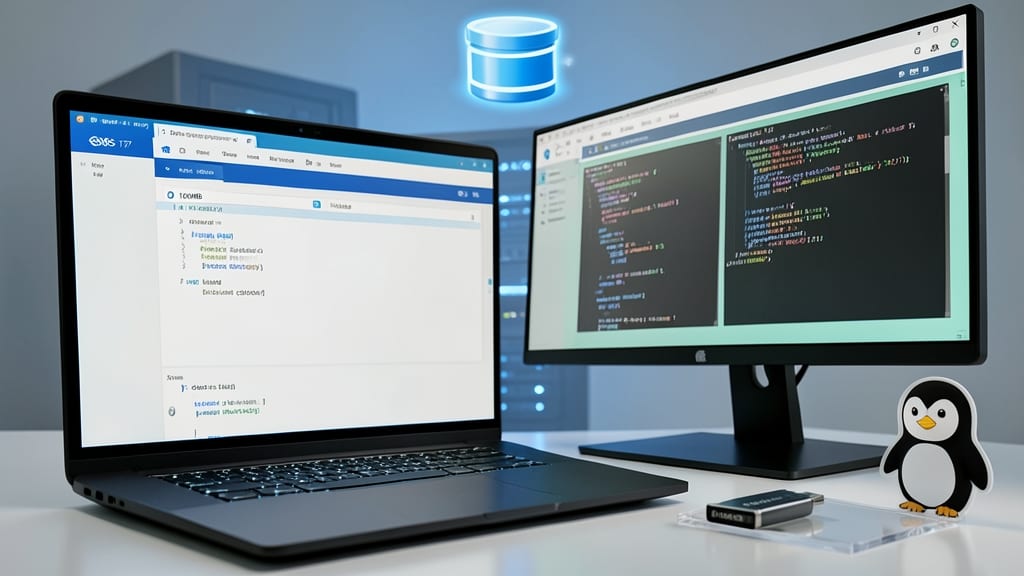
If your team is bridging Windows and Linux environments with SQL Server, SSMS 17.7 is the version that finally made hybrid DevOps workflows seamless. Released in 2017, it introduced lightweight deployment options (as low as 100MB) and native Linux container support, letting you manage SQL Server instances running in Docker containers—without needing a full Windows VM.
The improved Linux connectivity extended beyond containers, with enhanced drivers for Red Hat and Ubuntu systems. You could now connect directly to SQL Server on Linux hosts using the familiar SSMS interface, complete with query execution and monitoring—a game-changer for teams adopting mixed environments. The version also streamlined connection string management, reducing setup time for cloud-deployed databases.
This version is a must-have for DevOps engineers and cloud architects managing hybrid SQL Server setups. Whether you're running containers or connecting to Linux-based SQL instances, SSMS 17.7 eliminates the guesswork while keeping your workflows consistent. 💻
SQL Server Management Studio 17.4

If you’ve ever struggled to migrate data between SQL Server and modern APIs, SSMS 17.4 was a game-changer. This version introduced native JSON import/export capabilities, letting developers seamlessly move data to/from RESTful services without third-party tools.
The enhanced PowerShell scripting took automation further, with improved cmdlet support for backup, restore, and security operations. Combined with SQL Server 2017 compatibility, it became the go-to for devs building cloud-native apps where JSON was the lingua franca.
Perfect for developers working with NoSQL-like data models or APIs, this version bridged the gap between relational and modern web architectures. 💡
SQL Server Management Studio 17.2

Curious about how your SQL Server workflows might adapt to cloud-native tools without ditching the familiar SSMS interface? SQL Server Management Studio 17.2 was Microsoft’s bold experiment—blending Azure Data Studio’s cross-platform capabilities into the classic SSMS experience.
This version introduced Azure Data Studio preview mode, letting you test features like notebooks, Git integration, and Linux support while keeping your existing SSMS workflows intact. The cross-platform compatibility meant you could manage SQL Server instances from Windows, macOS, or Linux—ideal for teams adopting hybrid cloud strategies. It also included early versions of Azure Data Studio’s query editor, with syntax highlighting and IntelliSense improvements that felt like a sneak peek into the future.
Perfect for DevOps teams or database admins evaluating Azure Data Studio but needing a safety net, SSMS 17.2 offered a risk-free way to explore cloud-native tools. 💡
SQL Server Management Studio 16.5
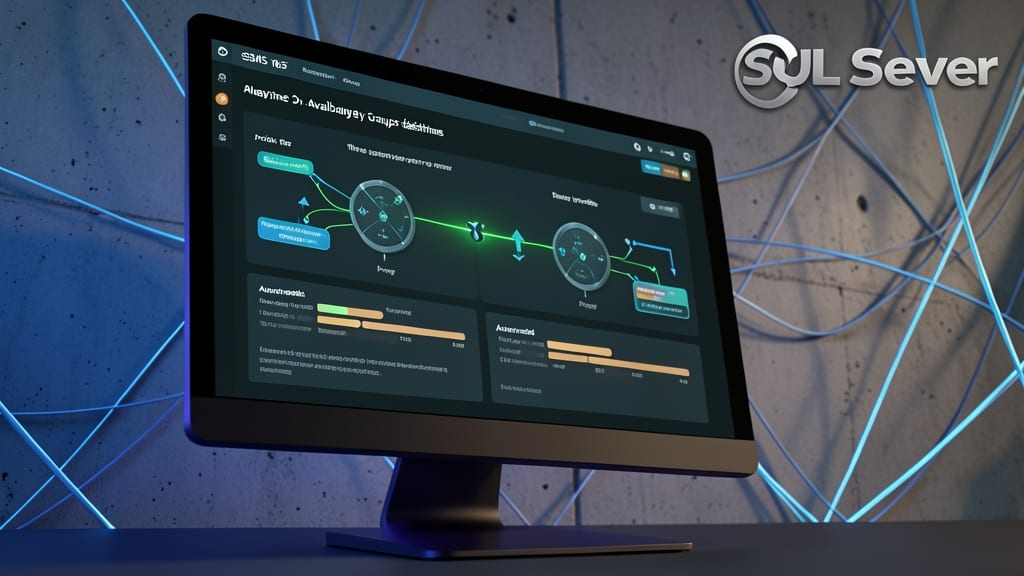
If you're running SQL Server 2016 in a high-availability environment, SSMS 16.5 is the update you’ve been waiting for. This version focused exclusively on refining Always On Availability Groups, adding granular control over failover priorities and automated backups for secondary replicas.
The enhanced performance monitoring dashboard now surfaces real-time metrics like replication lag and synchronization status, helping you catch issues before they escalate. For enterprises relying on SQL Server 2016, this was the last major SSMS update before Microsoft shifted focus to newer versions—making it a must-install for teams managing clustered databases. 💪
SQL Server Management Studio 16.0

When your database outgrows on-premises storage but upgrading hardware isn’t an option, SQL Server Management Studio 16.0 introduced a game-changer: Stretch Database. This feature lets you transparently move cold data to Azure Blob Storage while keeping hot data locally—no application changes required.
The redesigned interface made navigation smoother with improved tooltips, collapsible panes, and better keyboard shortcuts. It was the first version to fully support SQL Server 2016’s Always Encrypted, while also adding query store for performance insights. The lightweight installer (just 200MB) made deployment a breeze compared to earlier versions.
Perfect for mid-sized businesses or legacy systems where cloud integration is new. If you’re running SQL Server 2016 and need to scale storage without major infrastructure changes, this version delivers the flexibility you need. ✨
SQL Server Management Studio 2014
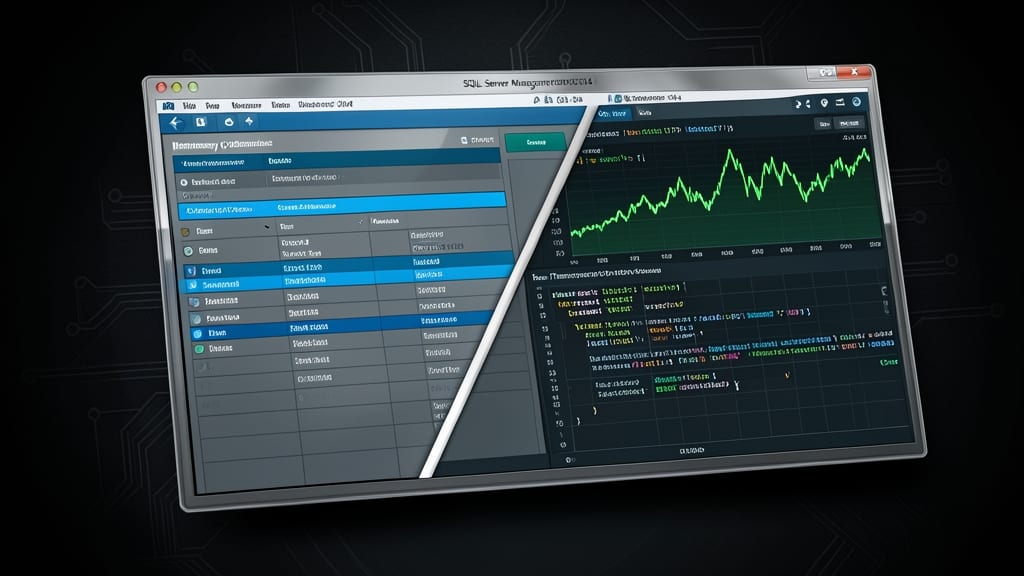
If you're maintaining legacy SQL Server 2014 environments, SQL Server Management Studio 2014 remains a critical tool—it was the last version officially bundled with the platform. This release introduced In-Memory OLTP, a game-changer for high-transaction workloads by enabling memory-optimized tables for near-instant processing.
The version also delivered tighter Power BI integration, allowing admins to visualize database performance metrics directly in dashboards. While it lacks modern features like Azure Data Studio compatibility, its deep SQL Server 2014 compatibility makes it indispensable for enterprises still running this version. The interface, though dated, offers stability for legacy systems.
This version is ideal for legacy system administrators managing SQL Server 2014 deployments, especially in industries with strict compliance requirements where upgrades aren’t feasible. ⚡
SQL Server Management Studio 2012

If you're maintaining SQL Server 2012 deployments in enterprise environments, SQL Server Management Studio (SSMS) 2012 remains a critical tool—especially for its pioneering support of AlwaysOn availability groups. This version laid the groundwork for high-availability setups by introducing seamless failover clustering and automated data synchronization across replicas.
The enhanced reporting services in SSMS 2012 also marked a turning point, offering deeper integration with Power View and improved data visualization tools. While modern versions have evolved, this release still powers legacy systems in industries like finance and healthcare, where SQL Server 2012’s stability is non-negotiable. Its Windows 8 compatibility and streamlined Object Explorer made it a favorite for admins transitioning from older SQL versions.
Perfect for teams stuck with SQL Server 2012 due to compliance or hardware constraints, SSMS 2012’s battle-tested setup ensures reliability without the overhead of newer tools. 💻