
Coding
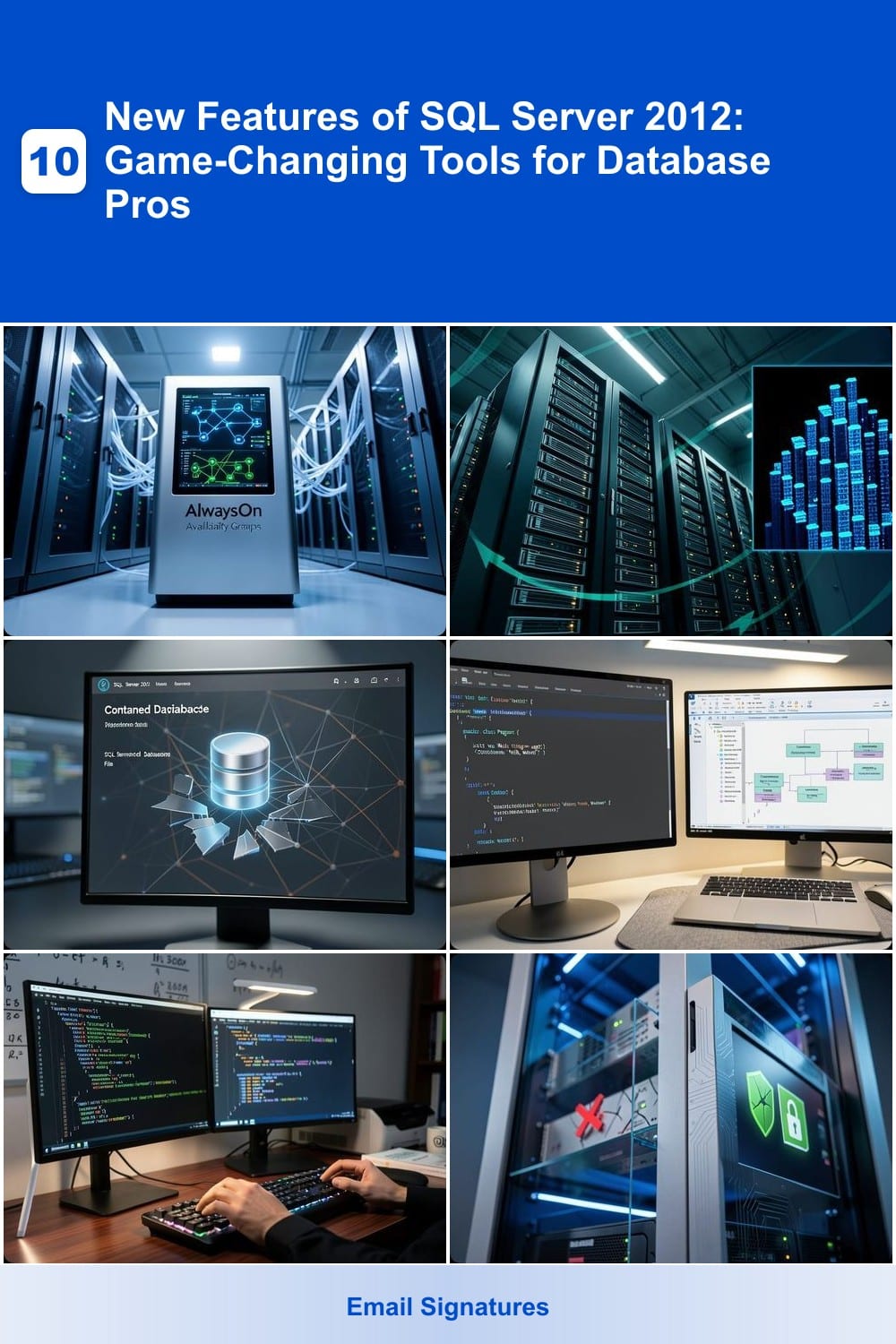
SQL Server 2012 introduced groundbreaking features that transformed database management for developers and administrators. These 10 innovations improved performance, security, and usability—making it a pivotal release for enterprise environments.
AlwaysOn Availability Groups for High Availability

Tired of unplanned downtime crippling your mission-critical applications? AlwaysOn Availability Groups in SQL Server 2012 introduced a game-changer for enterprise high availability, replacing outdated database mirroring with a synchronous replication model that keeps data in sync across multiple servers in real time.
This feature supports up to 8 secondary replicas per primary database, with automatic failover capabilities that kick in within seconds—far faster than manual intervention. You can also configure read-only workloads to offload reporting queries from your primary server, while distributed availability groups extend protection across data centers. The setup requires minimal manual intervention, making it ideal for environments where uptime isn’t just preferred—it’s mandatory.
Perfect for financial institutions, healthcare systems, or any organization where data loss could mean millions in lost revenue or regulatory penalties, AlwaysOn Availability Groups provide the enterprise-grade reliability modern applications demand. ⚡
Columnstore Indexes for Big Data Performance

If your analytics queries are running slower than a dial-up connection, Columnstore Indexes might be your game-changer. Introduced in SQL Server 2012, this feature redefines how large datasets are stored and processed, delivering 10x faster performance for data warehousing and reporting workloads.
Unlike traditional row-based indexes, Columnstore stores data by columns instead of rows, enabling highly efficient compression and scan operations. This means queries that once took hours now complete in minutes, especially for aggregations and scans on multi-terabyte datasets. The feature also integrates seamlessly with SQL Server Analysis Services (SSAS), further boosting BI performance.
Perfect for organizations drowning in big data—think retail analytics, financial reporting, or logistics tracking—Columnstore Indexes turn raw data into actionable insights without the wait. 💡
Contained Databases for Simplified Management
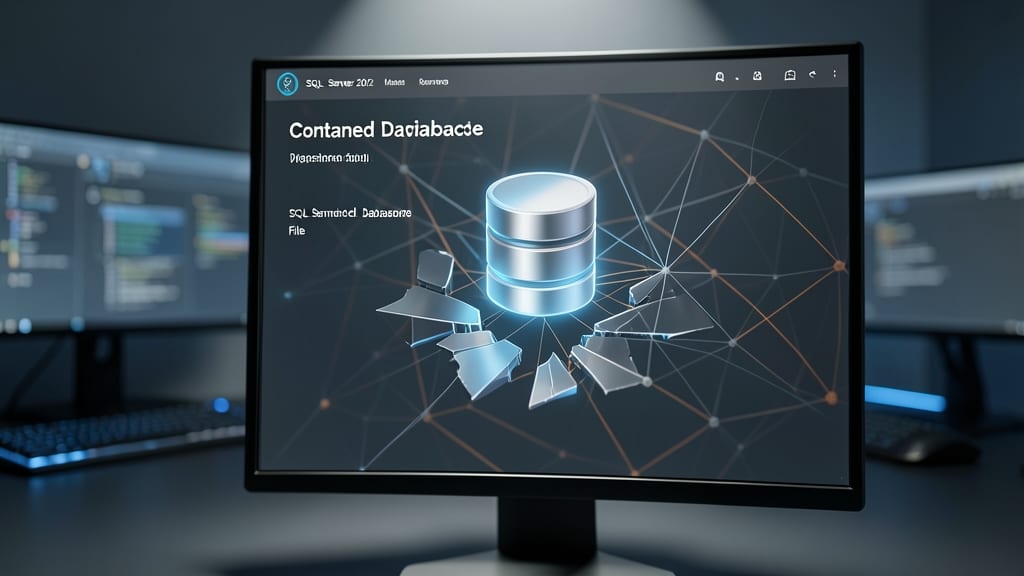
Tired of complex instance-level dependencies slowing down your database deployments? Contained databases in SQL Server 2012 solve this by isolating database objects from the SQL Server instance itself, giving you unprecedented flexibility and security.
With this feature, you can move databases between servers without worrying about instance-level configurations like linked servers or logins. User logins and permissions are now scoped to the database, eliminating cross-database privilege escalation risks. Plus, backup and restore operations become simpler and more secure since they don’t require instance-level permissions.
This is a game-changer for multi-tenant environments and cloud deployments, where portability and security are critical. Admins will love the reduced administrative overhead, while developers gain peace of mind knowing their databases can be deployed anywhere. 💻
SQL Server Data Tools (SSDT) Integration
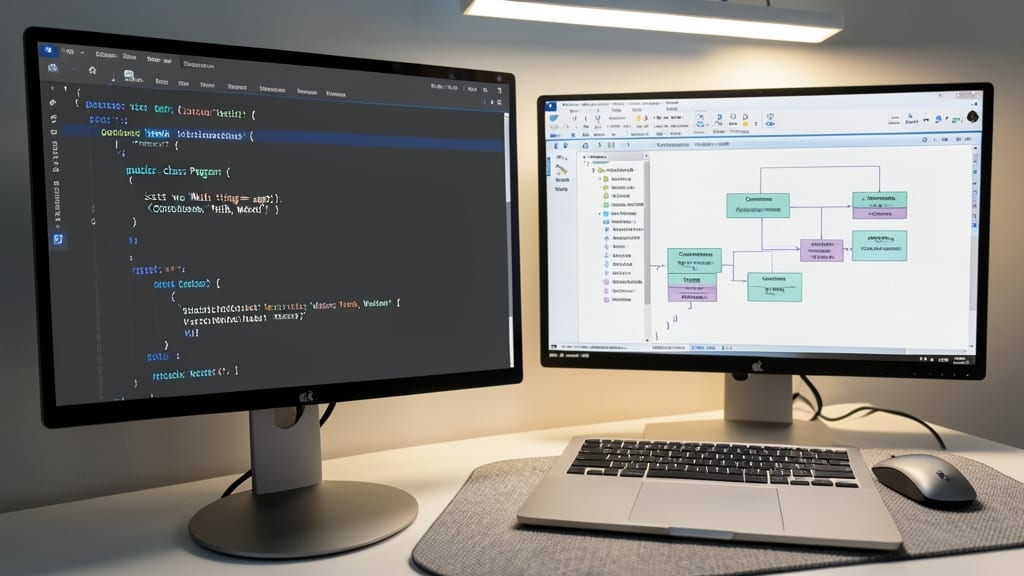
If you’ve ever struggled to manage database code alongside application development, SQL Server Data Tools (SSDT) in SQL Server 2012 bridges that gap seamlessly. This integration brings Visual Studio’s familiar IDE directly into database development, offering project templates for schemas, stored procedures, and more—all with built-in version control support.
SSDT lets you treat database code like any other application code: check it into Git or TFS, automate deployments via CI/CD pipelines, and refactor schemas with confidence using schema comparisons. The database project model ensures consistency by validating syntax and dependencies before deployment, while data-tier applications (DACs) package everything for easy sharing. This eliminates the "works on my machine" problem for database changes.
Perfect for agile teams or DevOps workflows, SSDT turns database development from a manual process into a streamlined, repeatable pipeline. 💻
Window Functions for Advanced Analytics

Struggling with complex analytical queries that require moving averages, rankings, or cumulative sums? SQL Server 2012’s window functions with the OVER() clause eliminate the need for messy self-joins or cursors, making your code cleaner and faster.
This feature lets you perform calculations across a set of table rows related to the current row—like calculating a 7-day moving average of sales or ranking employees by performance—without altering the original result set. The PARTITION BY, ORDER BY, and ROWS/RANGE clauses give you precise control over how data is grouped and analyzed, while functions like ROW_NUMBER(), RANK(), and LEAD()/LAG() simplify common analytical tasks.
Perfect for data analysts, BI developers, and reporting teams working with large datasets, window functions turn complex queries into readable, maintainable code that runs efficiently. 💡
Contained User Accounts for Security
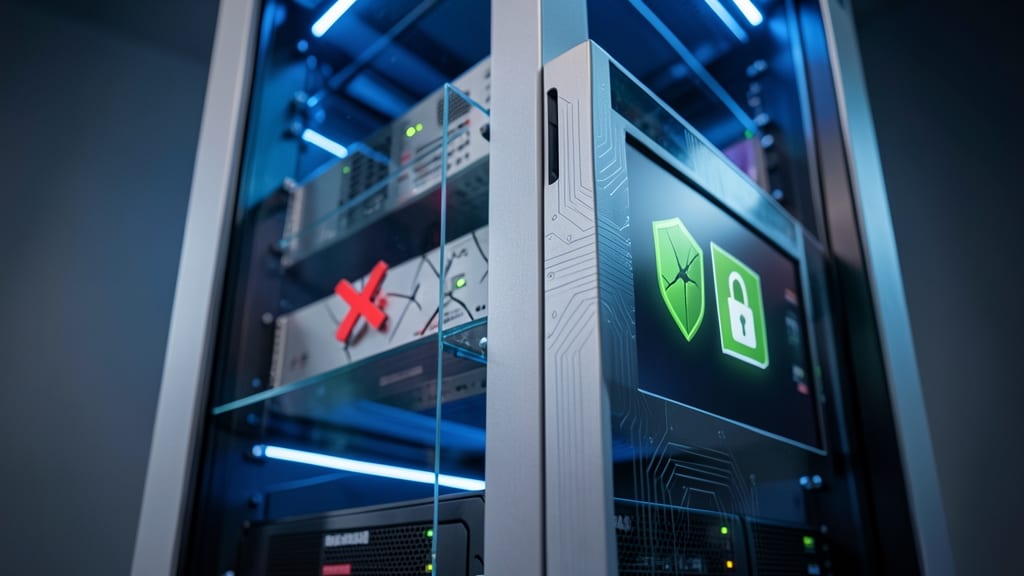
Worried about a single compromised database account exposing your entire SQL Server instance? Contained User Accounts in SQL Server 2012 solves this by breaking the traditional security model—credentials now belong to individual databases, not the instance itself.
This means if one database is breached, attackers can’t escalate privileges to access others. You gain fine-grained permissions at the database level, with logins stored inside the database rather than the server. The feature also simplifies migrations by eliminating instance-level dependencies, while contained database authentication ensures credentials travel with the database when moved.
Ideal for multi-tenant SaaS providers or organizations with strict compliance needs, this security model reduces attack surfaces while making administration cleaner. 🔧
Power View for Interactive Data Visualization
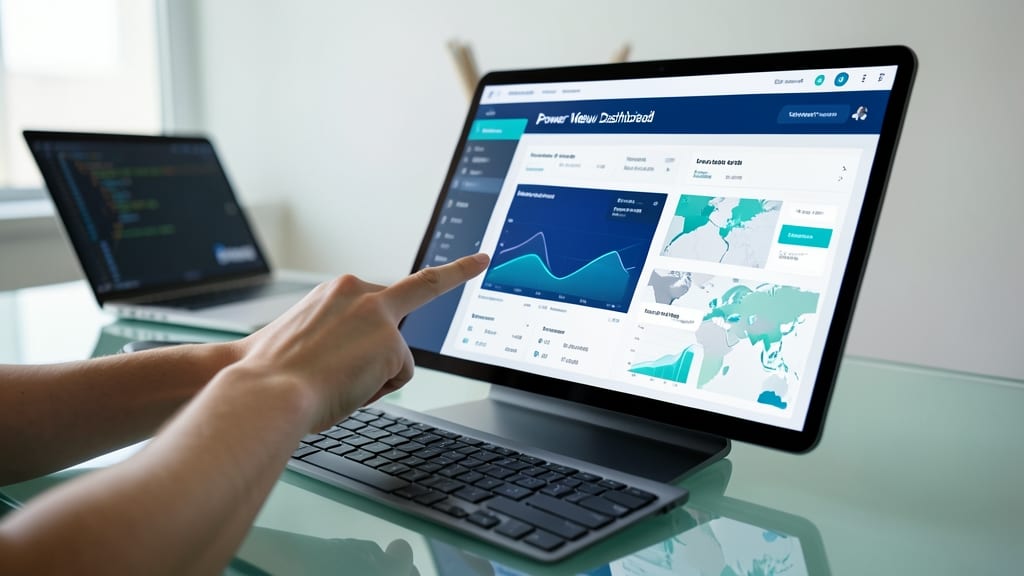
Frustrated by slow, static reports that require IT help to update? Power View in SQL Server 2012 changes the game by putting interactive data visualization directly in your hands—no SQL expertise required. This self-service BI tool integrates seamlessly with SharePoint, turning raw data into dynamic dashboards with just a few drag-and-drop actions.
With Power View, you can create 3D charts, matrices, and scatter plots that respond to user interactions, filter dynamically, and even drill down into details. The tool connects to SQL Server Analysis Services (SSAS) or relational databases, so your reports stay fresh with live data. Best of all, it’s designed for non-technical users, letting business analysts and executives explore insights without waiting for IT.
Ideal for SharePoint-heavy organizations or teams drowning in static Excel reports, Power View democratizes data exploration while keeping enterprise-grade security intact. 💡
Sequence Objects for Number Generation

Say goodbye to the limitations of IDENTITY columns—SQL Server 2012’s Sequence Objects introduce a far more powerful way to generate numeric values. Unlike the rigid, single-table approach of IDENTITY, sequences let you define custom increments, handle gaps, and share the same sequence across multiple tables with precision.
With Sequence Objects, you gain full control over starting values, increments (even negative or non-integer steps), and cycle behavior. Need to restart a sequence after a data purge? No problem—just reset it. Want to generate unique IDs for related tables in a single transaction? Sequences make it seamless. The syntax is intuitive, supporting both T-SQL and stored procedures for maximum flexibility.
Perfect for e-commerce platforms managing order IDs across regions or financial systems requiring audit trails with gapless numbering, Sequence Objects eliminate the headaches of legacy IDENTITY columns while future-proofing your database design. ✨
Contained Backup and Restore Operations
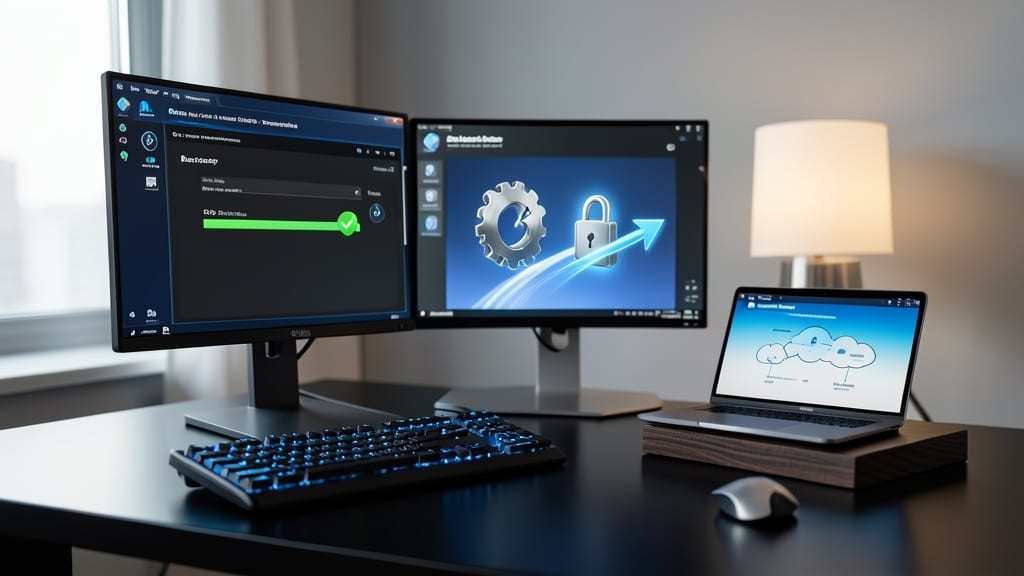
Stuck managing database backups that require instance-level permissions, slowing down your cloud deployments? Contained Backup and Restore Operations in SQL Server 2012 eliminates this bottleneck by letting you perform backups and restores without admin-level access, streamlining workflows in hybrid and cloud environments.
This feature enables database-level backup operations using the BACKUP DATABASE and RESTORE DATABASE commands directly on contained databases, without needing sysadmin privileges. It also supports cross-server restores, making it easier to migrate databases between environments. The integration with contained databases ensures portability while maintaining security, as credentials and permissions stay scoped to the database itself.
Ideal for DevOps teams or cloud administrators, this feature reduces friction in CI/CD pipelines and simplifies disaster recovery in multi-tenant setups. 💪
SQL Server Data Quality Services
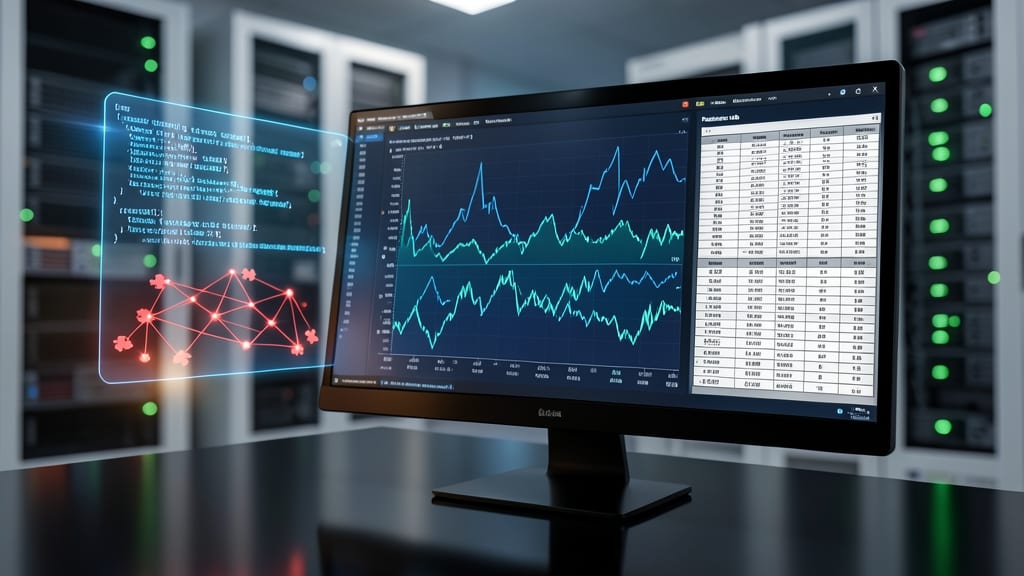
Dirty data dragging down your analytics? SQL Server Data Quality Services (DQS) in SQL Server 2012 is your automated cleanup crew. This dedicated toolset tackles data inconsistencies with domain-specific rules, fuzzy matching, and standardized reference data—all without writing custom scripts.
You get automated data profiling to identify inconsistencies, cleansing workflows that apply business rules (like formatting phone numbers or standardizing addresses), and knowledge bases to maintain consistent data definitions across systems. The DQS client provides a visual interface for building and testing data quality projects, while integration with SQL Server Integration Services (SSIS) makes it easy to embed cleansing into ETL pipelines.
Perfect for organizations merging datasets from multiple sources—think healthcare providers consolidating patient records or retailers combining inventory systems—DQS ensures your analytics run on clean, reliable data. ✨