
Software
Microsoft Word 2010’s ribbon interface revolutionized document creation—but mastering its sections can feel overwhelming. These 10 essential parts of the Word 2010 window unlock productivity shortcuts, hidden features, and workflow efficiencies you’ve been missing.
Home Tab: Formatting And Basic Editing Tools
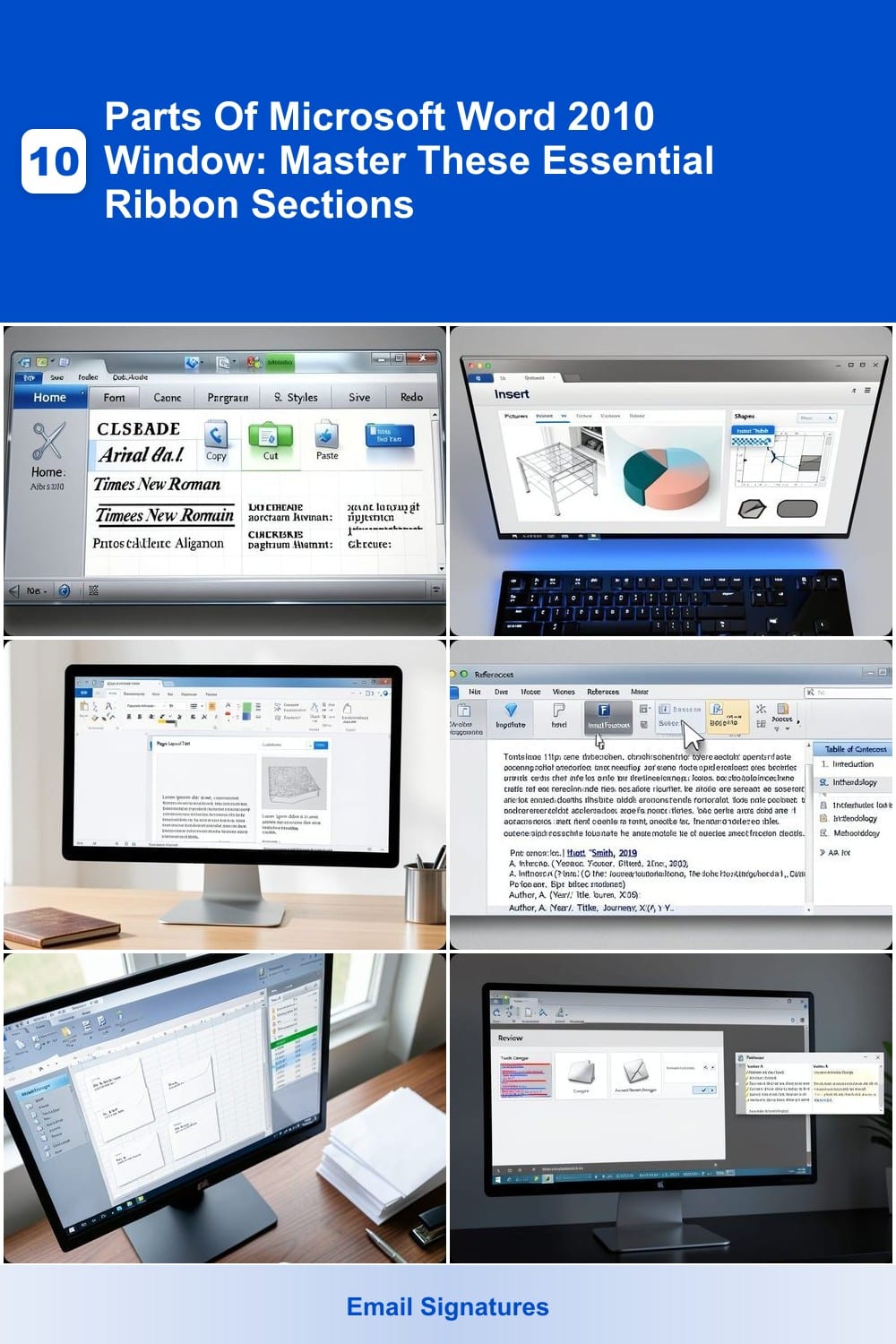
If you spend more time formatting text than writing it, the Home Tab in Microsoft Word 2010 is your productivity lifeline. This is where you’ll find the most frequently used tools—font styles, paragraph alignment, and clipboard shortcuts—all in one centralized location, making everyday document tasks effortless.
The Font group lets you adjust text appearance with bold, italic, underline, and font size options, while the Paragraph group handles alignment, indentation, and line spacing with just a few clicks. For quick edits, the Clipboard section lets you copy, cut, and paste up to 24 items at once, and the Paste Options button gives you control over formatting retention. The Styles dropdown even offers pre-formatted templates for consistent professional documents.
Ideal for students, office workers, and freelancers, this tab eliminates the need to dig through menus—just select your text and apply changes instantly. Mastering it means faster workflows and fewer formatting headaches. ✨
Insert Tab: Adding Objects And Media
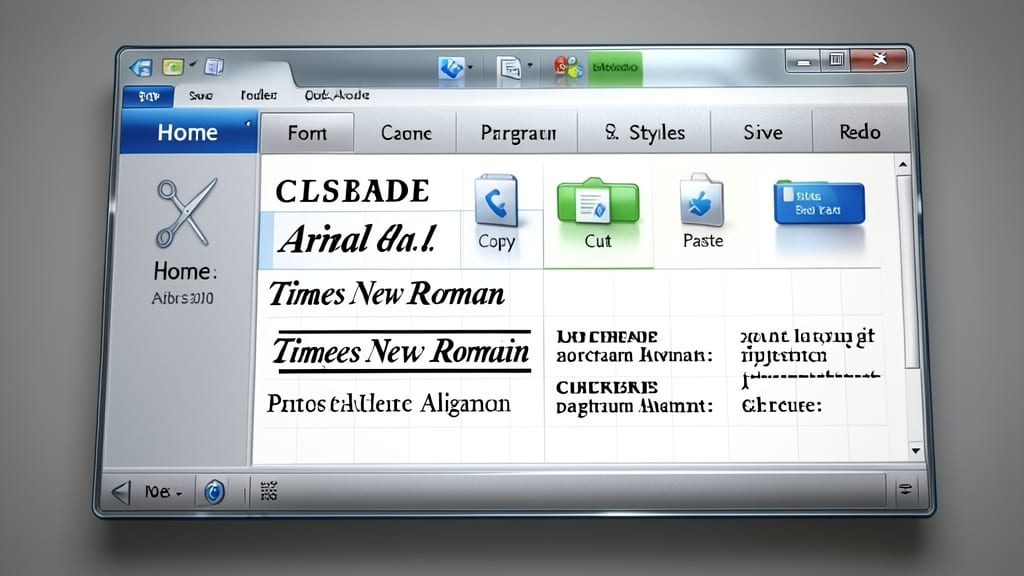
Transform plain text into dynamic visuals without leaving Word 2010—this is the power of the Insert Tab. Need to add a professionally formatted table? Done in seconds with pre-designed templates. Want to embed a chart from Excel or a screenshot from your desktop? The Pictures and Shapes groups handle it all, with easy alignment and resizing tools built-in.
Beyond static elements, this tab supports audio clips, video files, and online media (like YouTube embeds) directly in your document. The Object button even lets you insert spreadsheets, presentations, or other Office files as editable components. For designers, the WordArt feature adds stylish text effects without design software.
Perfect for educators creating interactive lesson plans, marketers designing eye-catching reports, or freelancers who need polished presentations—this tab turns basic documents into multimedia experiences. 💻
Page Layout Tab: Document Structure Controls
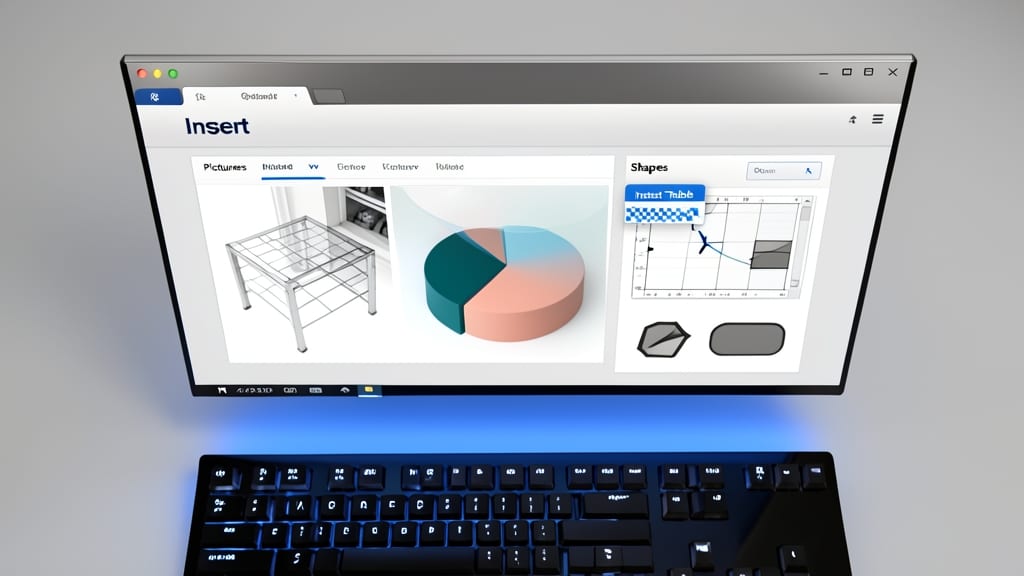
Need to fine-tune your document’s physical appearance without diving into design software? The Page Layout Tab in Word 2010 gives you precise control over margins, page orientation, and column layouts—ideal for resumes, newsletters, or multi-column brochures.
Here, you’ll find tools like predefined margin presets (Narrow, Wide, or Custom) and the ability to switch between portrait and landscape orientation with one click. The Columns group lets you divide text into two or three columns instantly, perfect for side-by-side comparisons or visually rich layouts. You can also adjust paper size (Letter, A4, Legal) and gutter margins for binding—no extra plugins needed.
This tab is a game-changer for professionals designing resumes with tight margins or marketers creating multi-column flyers. Skip the trial-and-error—Word 2010’s built-in controls make it effortless. ✨
References Tab: Citations And Table Of Contents
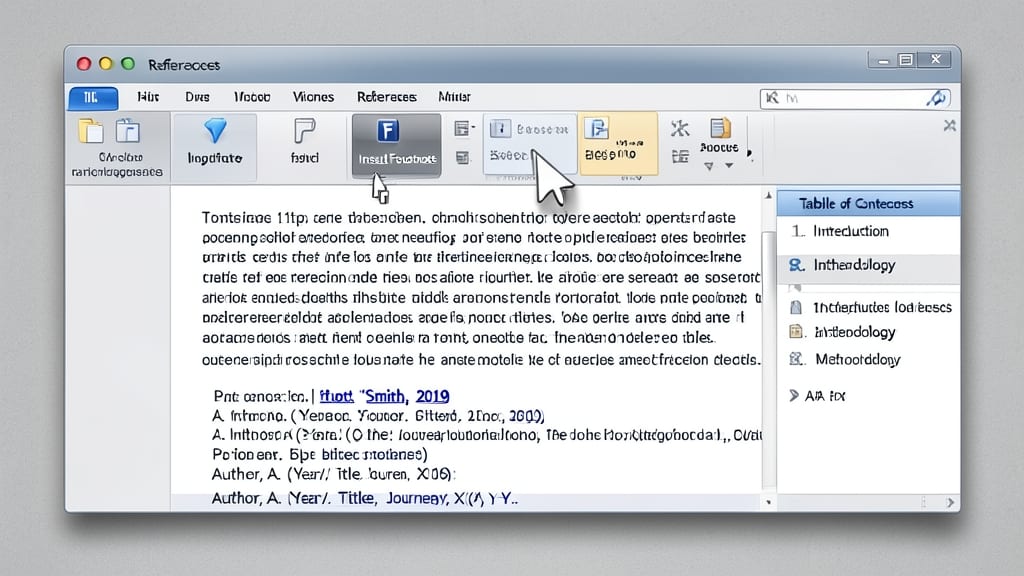
Struggling to keep track of sources in your research paper? The References tab in Microsoft Word 2010 is your secret weapon for citations, footnotes, and dynamic tables of contents—no manual formatting required.
With just a few clicks, you can insert footnotes and endnotes, manage bibliographies in multiple styles (APA, MLA, Chicago), and generate a live table of contents that updates automatically when you modify headings. The Insert Citation feature even pulls source details from your document’s bibliography, saving hours of manual entry.
Perfect for students, researchers, or professionals writing white papers, this tab turns tedious citation management into a streamlined process. ⚡
Mailings Tab: Envelopes And Labels
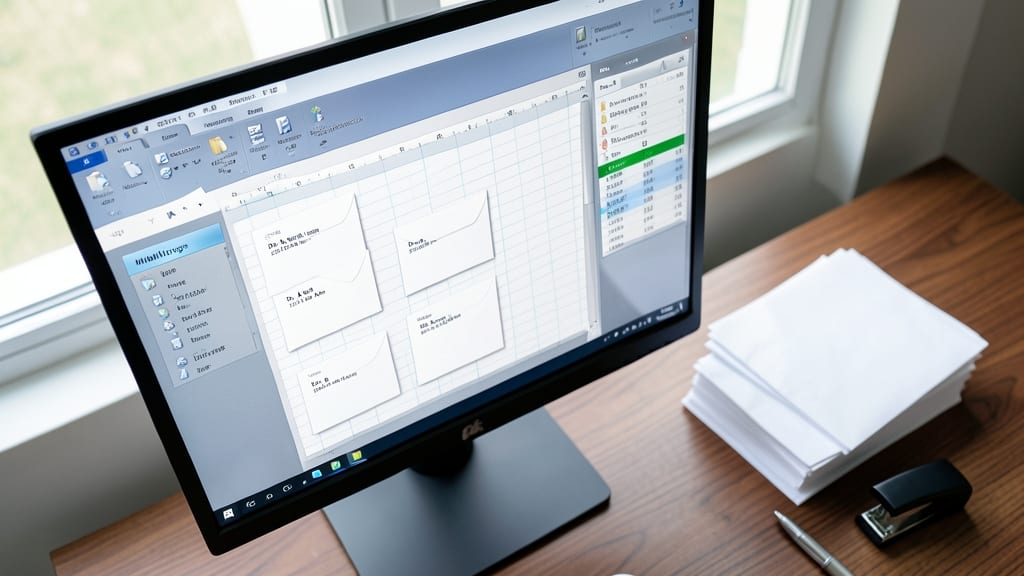
Tired of manually typing addresses for every envelope or label? The Mailings tab in Word 2010 is your secret weapon for handling bulk mailings with ease. Whether you're sending invitations, bills, or marketing materials, this tab simplifies the process by letting you merge data from Excel spreadsheets or Word tables directly into envelopes or labels.
With the Envelopes group, you can design professional-looking envelopes in seconds using pre-formatted templates. The Labels group offers customizable label sheets for everything from shipping packages to organizing files. Word even includes a Mail Merge feature to pull recipient names and addresses from external sources, ensuring accuracy and saving hours of manual work.
Perfect for small business owners, event planners, or anyone managing guest lists, this tab turns a tedious task into a streamlined process. Say goodbye to handwritten labels and hello to efficiency! ✨
Review Tab: Editing And Collaboration Tools
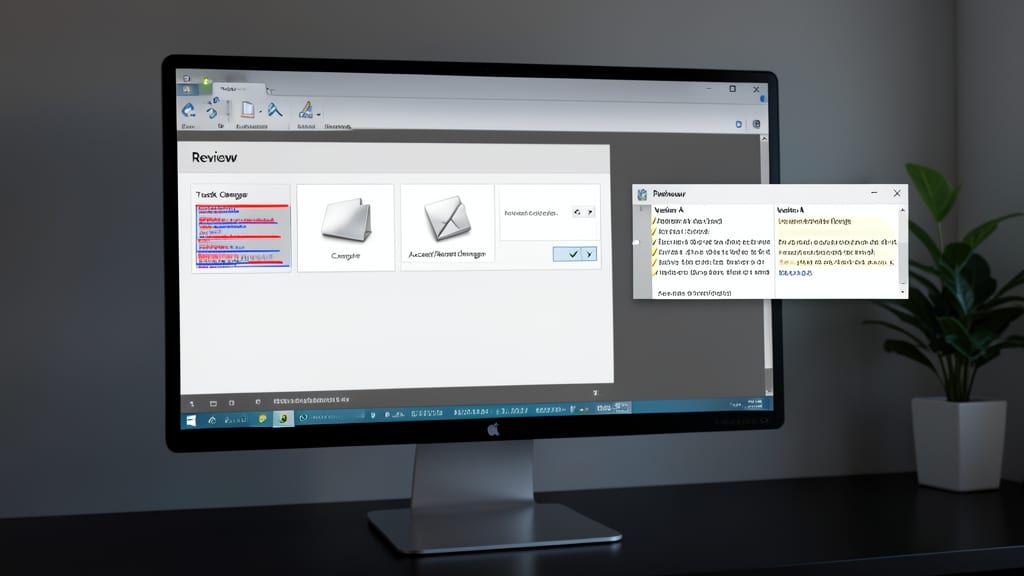
For legal teams or collaborative projects, the Review tab is your secret weapon for managing document revisions without the chaos. This section lets you track changes in real-time, accept/reject edits, and compare two versions side-by-side—all while keeping a clean audit trail.
Key features include Track Changes (highlighting edits with color-coded markers), Compare (merging two documents with conflict resolution), and Comments (adding threaded discussions directly in the text). The Protect Document tool also locks sections to prevent accidental edits—perfect for finalizing contracts or reports. ⚡
View Tab: Document Navigation Options
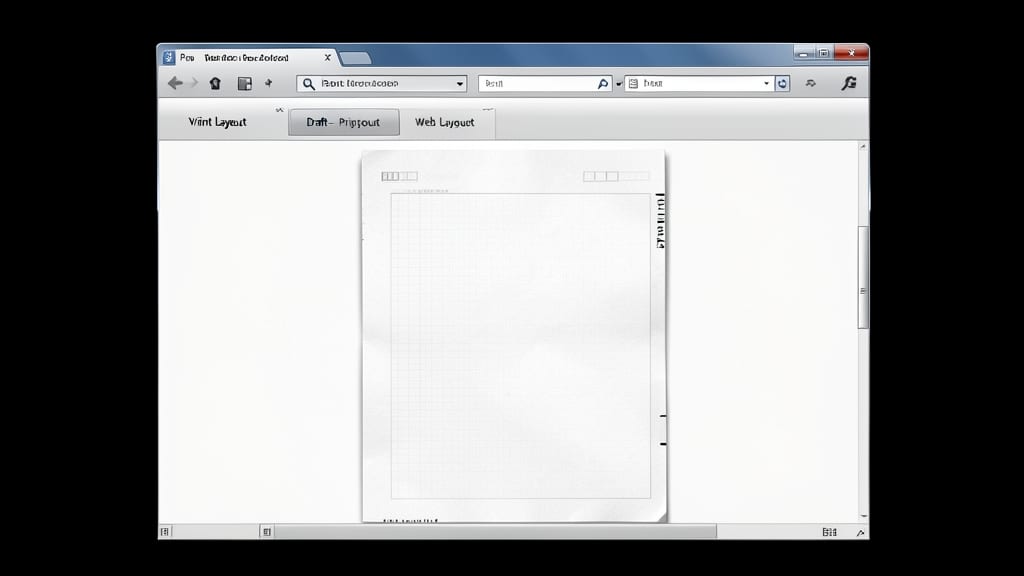
Need to preview how your document will look when printed or published? The View Tab in Microsoft Word 2010 offers three distinct document views—Draft, Print Layout, and Web Layout—each designed for a specific workflow.
Switch to Draft View for a distraction-free, full-screen editing experience that highlights formatting errors. Print Layout shows your document exactly as it will appear on paper, including margins and headers, while Web Layout displays content in a continuous, web-style format. You can also toggle between views instantly using the View Shortcuts button in the bottom-left corner.
This feature is a game-changer for designers, marketers, and writers who need to visualize documents before finalizing them. ⚡
Quick Access Toolbar: Customizable Shortcuts
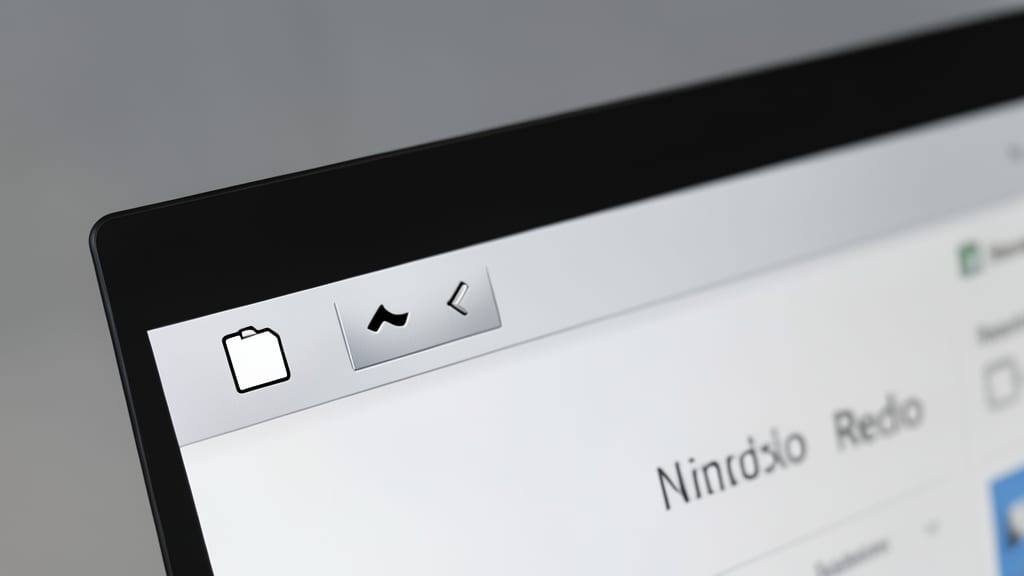
Tired of hunting through tabs to save your work or undo a mistake? The Quick Access Toolbar puts your most-used commands—like Save, Undo, or Redo—just a click away, right at the top of the Word 2010 window. This slim, customizable bar is your secret weapon for cutting down on repetitive clicks and speeding up workflows.
By default, it includes Save, Undo, and Redo, but you can add up to nine custom commands (like Font, Print Preview, or even macros). Right-click the toolbar to pin frequently used buttons, or browse the full list of available commands to tailor it to your exact needs. Pro tip: Use the dropdown arrow to quickly access hidden tools without scrolling through ribbon tabs.
Perfect for freelancers, students, or anyone drowning in documents—this toolbar is especially valuable if you juggle multiple tasks and hate wasting time navigating menus. ⚡
Status Bar: Document And Selection Info
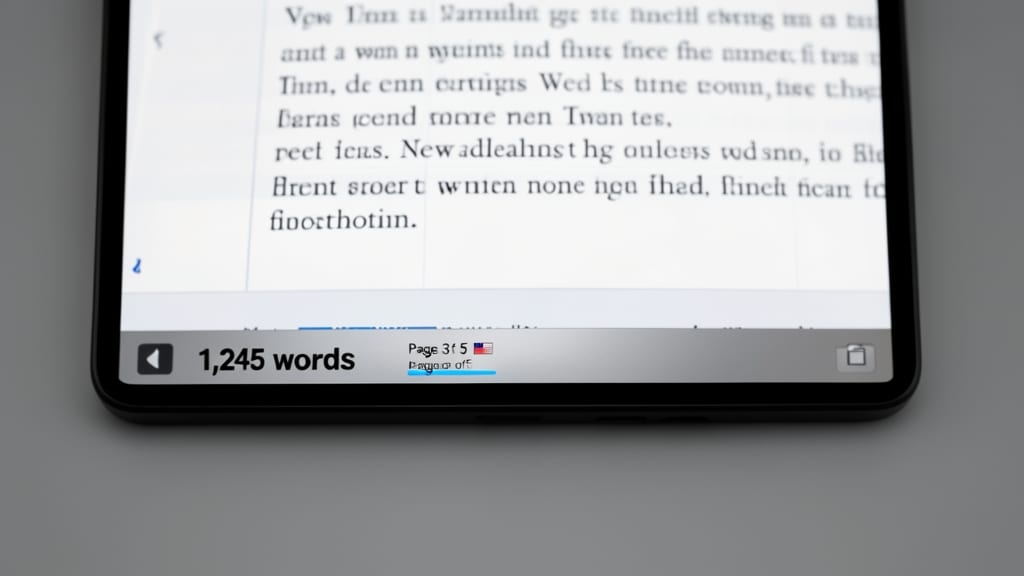
Forget guessing whether your essay meets the page limit—Word 2010’s Status Bar puts critical document metrics right at your fingertips. Tucked at the bottom of the window, this slim but powerful strip displays real-time word count, page numbers, and even language settings—no extra clicks required.
Beyond basic stats, it shows your current position (e.g., "Page 3 of 5") and selection details (like line/column numbers for precise edits). Right-click to toggle features like spelling/grammar check or zoom controls, making it a one-stop productivity hub. The language indicator (e.g., "EN-US") is a lifesaver for multilingual documents.
Perfect for students tracking assignment lengths, editors proofreading manuscripts, or professionals drafting reports—this unassuming bar saves time by eliminating manual checks. ⚡
Navigation Pane: Large Document Organization
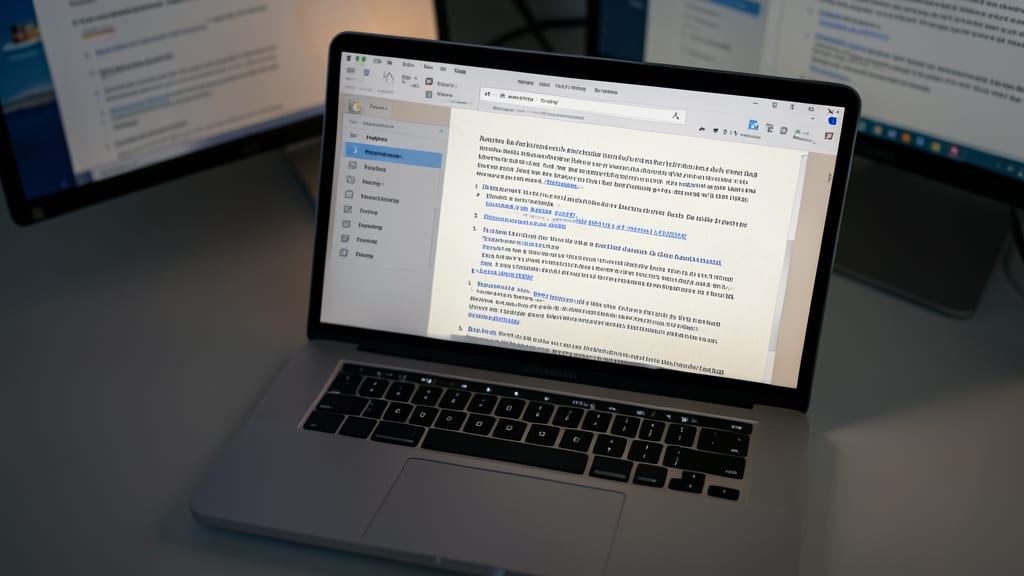
Struggling to find your way through a 50-page research paper or a complex report? The Navigation Pane in Microsoft Word 2010 is your secret weapon for instant jumps between headings, pages, or even search results—no more endless scrolling or guesswork.
With just one click, access a collapsible sidebar showing document headings, page thumbnails, or search results. Need to review the "Methodology" section? Click it in the pane, and Word takes you there instantly. It also works with search filters to pinpoint specific text, making it ideal for legal documents or technical manuals with dense content.
This feature is a game-changer for academics, lawyers, and technical writers who juggle lengthy documents. Spend less time navigating and more time writing—efficiency at its finest. ✨