
PowerPoint
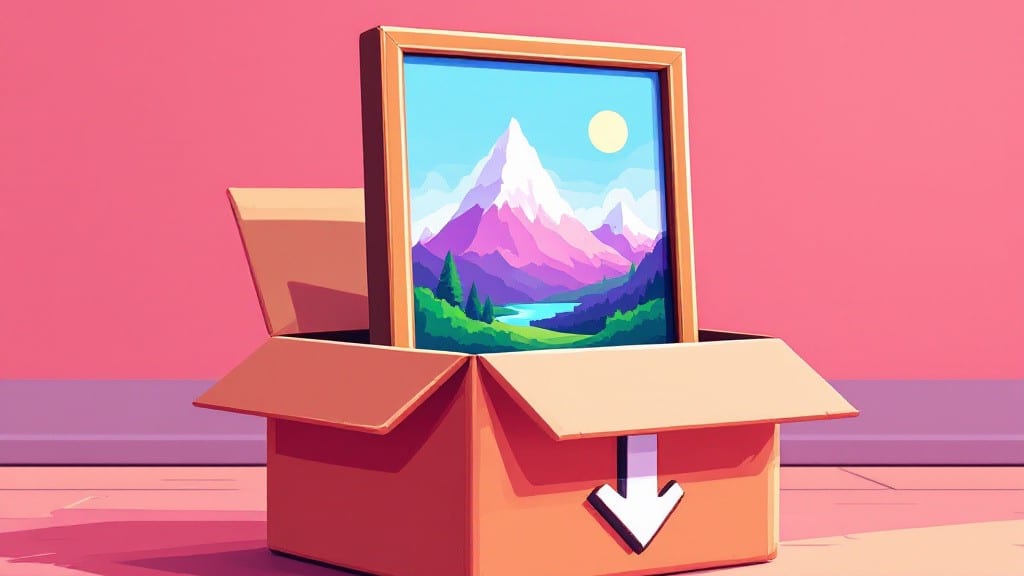
Microsoft Clip Art images free download lets you access thousands of classic Office-style graphics without spending a dime.
Want to jazz up a presentation or add a touch of professional flair to a document? Microsoft’s built-in clip art collection is still the go-to for quick, recognizable visuals—no premium subscription required.
Below, I’ll show you where to find these free packs legally and how to use them in PowerPoint, Word, and beyond.
Where to find free Microsoft-style clip art images for download
Microsoft Clip Art was once a staple in Office Suite presentations, but finding legitimate free downloads can be tricky. Many users still seek these vintage-style graphics for nostalgia or quick projects.
The good news? Microsoft still offers official archives, and third-party libraries provide Office-compatible alternatives. Always prioritize legal sources to avoid malware or licensing issues.
Microsoft’s official clip art was bundled with older versions of Office, but you can still access many images through Microsoft’s legacy content or third-party clip art repositories. Below, I’ve compiled the best free download sources that match the classic Microsoft aesthetic while ensuring safe, legal downloads.
comparison-table
Source
Download Link
Style
License
Compatibility
Microsoft Office Clip Art
Microsoft Store
Classic Office (90s-2000s)
Free with Office 2010 or earlier
Office 2010/2013/2016 (limited)
Open Clip Art
openclipart.org
Vintage/Modern Hybrid
Creative Commons
Office-compatible with conversion
Flaticon
flaticon.com
Modern Icons + Clip Art
Free with attribution
Office-compatible (PNG/SVG)
Clker
clker.com
Vintage/Office-style
Creative Commons
Office-compatible (JPG/PNG)
Pexels (Free Section)
pexels.com
Modern + Retro
Free for commercial use
Office-compatible (PNG)
For the most authentic Microsoft Clip Art experience, start with Microsoft’s legacy content available through the Microsoft Store. These packs were originally included with Office 2010 and earlier, but you can still download them for free.
However, note that newer versions of Office may not support these packs natively—you’ll need to manually insert them.
If you’re looking for modern alternatives with a similar aesthetic, Open Clip Art and Clker offer vast libraries of vintage-style graphics under Creative Commons licenses.
These are safe for both personal and commercial use, provided you follow attribution rules. Always check the license terms before downloading to avoid legal issues.
For icon-heavy projects, Flaticon is a powerhouse. While it leans toward modern designs, its free section includes many Office-compatible icons that can be resized or edited to fit your needs. The site also offers PNG and SVG formats, making them easy to integrate into PowerPoint or Word.
When downloading from third-party sites, always verify the source’s reputation. Stick to well-known platforms like Pexels or Unsplash to minimize risks of malware or licensing violations. Avoid shady websites promising "Microsoft Clip Art" downloads—these often bundle unwanted software or violate copyright laws.
Pro tip: Use Windows Search to find legacy clip art files on your system. Older versions of Office stored these in folders like C:\Program Files\Microsoft Office\ClipArt. If you’re on a newer OS, you may need to reinstall Office 2010 or use a virtual machine to access them directly.
For PowerPoint presentations, ensure your clip art files are in PNG or JPEG format for best compatibility. Avoid SVG or PSD files unless you’re using advanced editing tools like Adobe Illustrator to convert them. Always resize images to fit your slide dimensions to maintain professional quality.
If you’re working with Office 365 or Microsoft 365, some clip art features may be limited. In this case, third-party tools like Canva or PicMonkey can help you edit and customize downloaded clip art before inserting it into your documents.
These tools also offer pre-made templates that incorporate clip art seamlessly.
Remember, the key to using free clip art legally is always checking the license agreement. Most reputable sites clearly state whether you need to attribute the artist or can use the images commercially.
When in doubt, opt for public domain or Creative Commons Zero (CC0) licensed content to stay safe.
Happy designing! With these free, legal sources, you’ll never run out of professional-grade graphics for your next project—without spending a dime. 🖼️
How to use Microsoft clip art in PowerPoint, Word, and other Office tools
Microsoft Clip Art remains a go-to resource for quick, professional-looking graphics in Office Suite apps. Whether you're working on a PowerPoint presentation or a Word document, these pre-made images save time while maintaining a polished look.
The challenge? Many users struggle with missing clip art packs or compatibility issues in newer Windows versions. I’ll walk you through the process step-by-step, including troubleshooting tips to keep your workflow smooth.
Before diving in, ensure you have the latest Office Suite installed (Office 2016 or later). Older versions may not support newer clip art formats. If you’re missing the clip art library, don’t worry—I’ll show you how to restore it or access alternatives without losing functionality.
Let’s get started with inserting and customizing clip art like a pro.
Step-by-Step Guide to Inserting Clip Art
- Open your Office app (PowerPoint, Word, etc.) and navigate to the Insert tab.
- Click Pictures in the Illustrations group, then select Clip Art from the dropdown menu.
- In the Clip Art task pane, type a keyword (e.g., "business," "education") in the Search box.
- Browse the results and click the Insert button next to your chosen image.
- Resize or reposition the clip art by dragging the handles or using the Format tab for advanced edits.
⚡ Pro Tip: Use the Search box to filter by color, size, or type for faster results.
Customizing clip art is where the magic happens. After inserting an image, right-click it and select Format Picture to adjust transparency, shadow effects, or 3D rotations. For more advanced edits, use the Picture Format tab in the ribbon to crop, compress, or apply artistic effects.
If you’re working with older clip art packs that don’t appear, try restoring them via Office Add-ins or downloading the Microsoft Office Content Control Toolkit from Microsoft’s official site.
Troubleshooting missing clip art packs is simpler than you think. If the Clip Art option is grayed out or empty, your system may lack the Microsoft Clip Art library. To fix this, open Control Panel, navigate to Programs and Features, and select Microsoft Office.
Click Change, then choose Add or Remove Features. Under Office Shared Features, ensure Clip Art is checked and set to Run from My Computer. Reboot your PC to apply changes.
For users on Windows 11 or newer versions, compatibility issues may arise due to updated security settings. If clip art fails to load, try running your Office app as Administrator or updating to the latest Office version via the Microsoft Store.
If all else fails, third-party libraries like Flaticon or OpenPeeps offer free alternatives that integrate seamlessly with Office tools. Always ensure you’re downloading from trusted sources to avoid malware risks.
Microsoft Clip Art is a hidden gem for quick, professional graphics—no design skills required. By following these steps, you’ll avoid common pitfalls and keep your projects looking sharp. Whether you’re a student, educator, or professional, these tools will streamline your workflow without the hassle of premium stock subscriptions. Happy designing!