
Tip & Trick
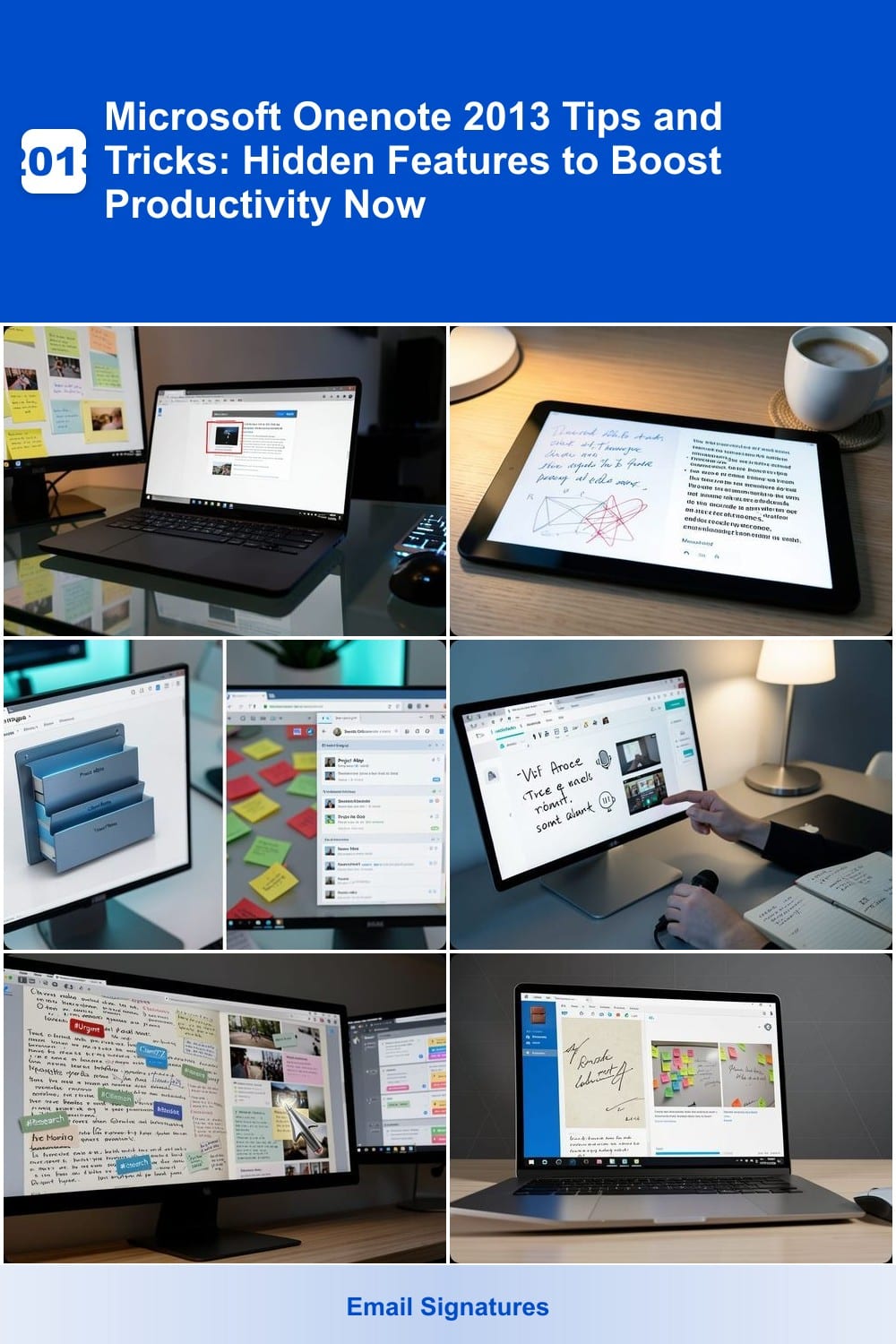
Microsoft OneNote 2013 remains a powerhouse for digital note-taking, but many users miss its most powerful hidden features. These seven underrated tips will transform how you organize, search, and collaborate in OneNote—boosting productivity without switching tools.
Quick Capture for Instant Note Creation
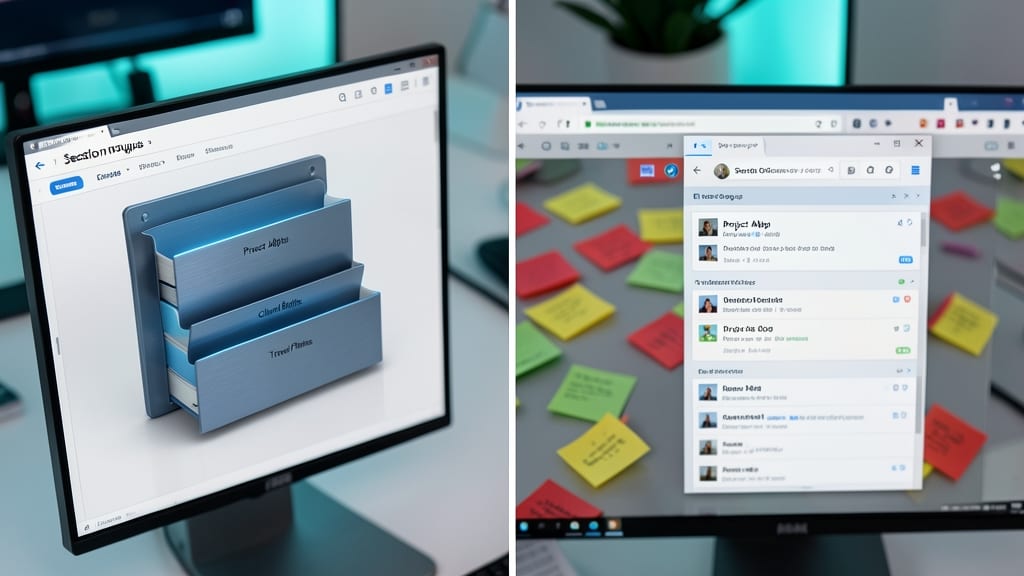
Skip the hassle of manually typing or opening apps—Quick Capture in OneNote 2013 lets you instantly snap text, images, or web pages directly from your screen with a single click. Whether you're jotting down a meeting agenda or saving a research snippet, this tool works like digital sticky notes on steroids, without requiring you to leave your workflow.
To use it, press Win + N to launch the Quick Capture toolbar, then select Screen Snip to capture full windows or Freeform Drawing to annotate anything on your screen. OneNote automatically creates a new note with your capture—no file management needed. The web clipper even lets you save entire articles or highlight key sections from browsers like Chrome or Edge.
Researchers, meeting attendees, and busy professionals will love this—it’s the fastest way to turn fleeting ideas into organized digital notes. No more fumbling with cameras or typing frantically to remember details. ⚡
Handwriting to Text Conversion
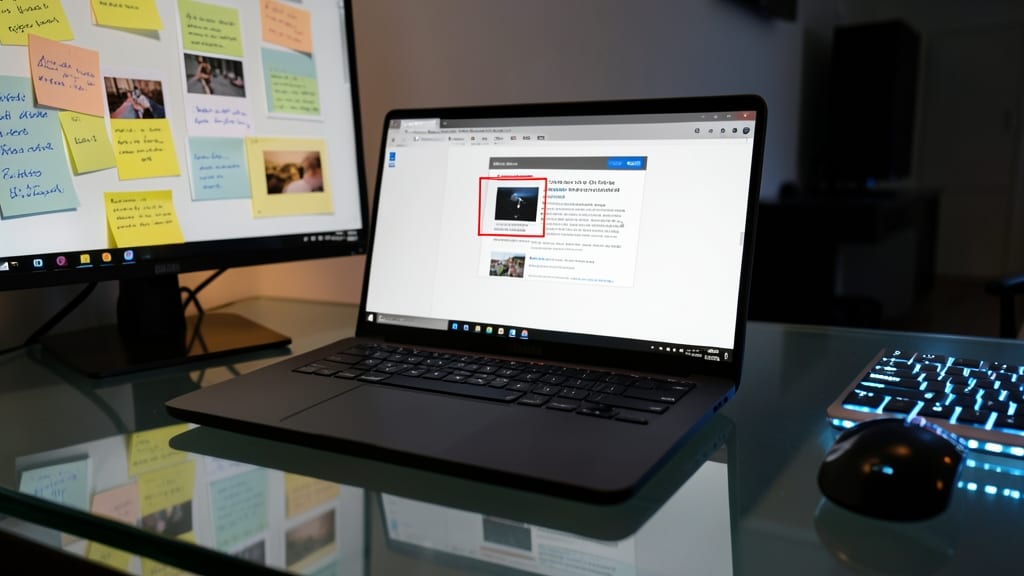
Tired of typing up handwritten notes later? OneNote 2013’s handwriting recognition feature turns your messy scribbles into clean, editable text—no retyping required. Whether you’re jotting down lecture notes, sketching diagrams, or brainstorming ideas, this tool preserves your natural writing style while making content searchable.
Simply write or draw on a page, then click the Draw tab and select Convert to Text. OneNote uses Optical Character Recognition (OCR) to digitize your ink, preserving formatting and even recognizing handwritten math equations. For best results, use a stylus or clear handwriting—though even chicken scratch gets converted with surprising accuracy.
Students, engineers, and note-takers who prefer pen to keyboard will love this—it bridges the gap between analog and digital workflows seamlessly. ⚡
Section Groups for Advanced Organization
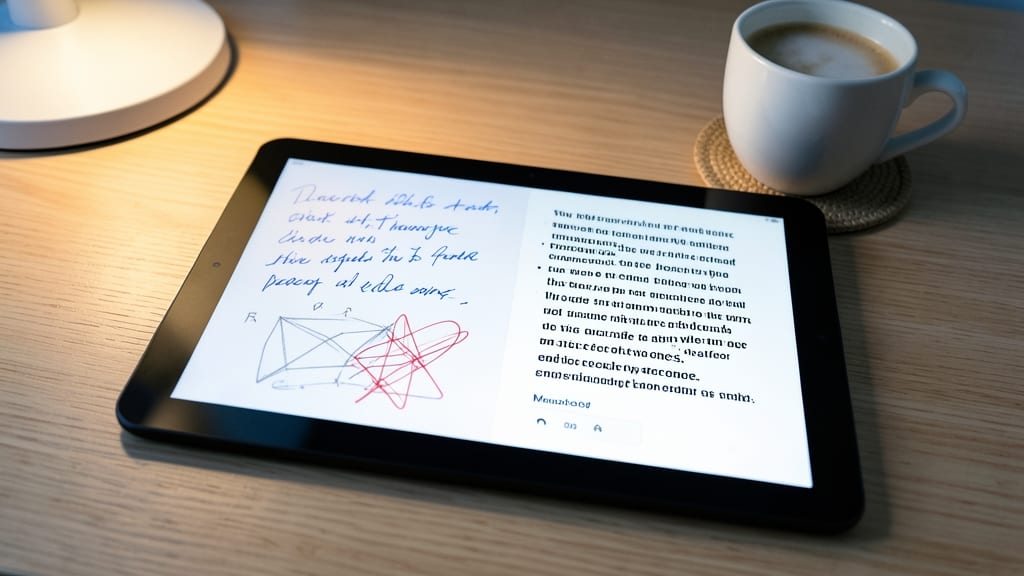
If juggling multiple projects leaves your OneNote workspace looking like a digital junk drawer, Section Groups are your secret weapon. This hidden feature lets you nest related notebooks into a single container—think of it as a digital filing cabinet for your digital life.
To create one, right-click a section tab and select Add Section Group. Name it (e.g., "Client ABC" or "Personal Projects"), then drag notebooks inside. You’ll instantly see a collapsible tab that keeps your workspace tidy while keeping everything searchable. Pro tip: Use color-coded tabs to visually separate work and personal projects at a glance.
Freelancers, project managers, and students will love this—no more flipping between notebooks or losing track of what belongs where. It’s the digital equivalent of a well-organized desk drawer. ✨
Audio and Video Recording Notes
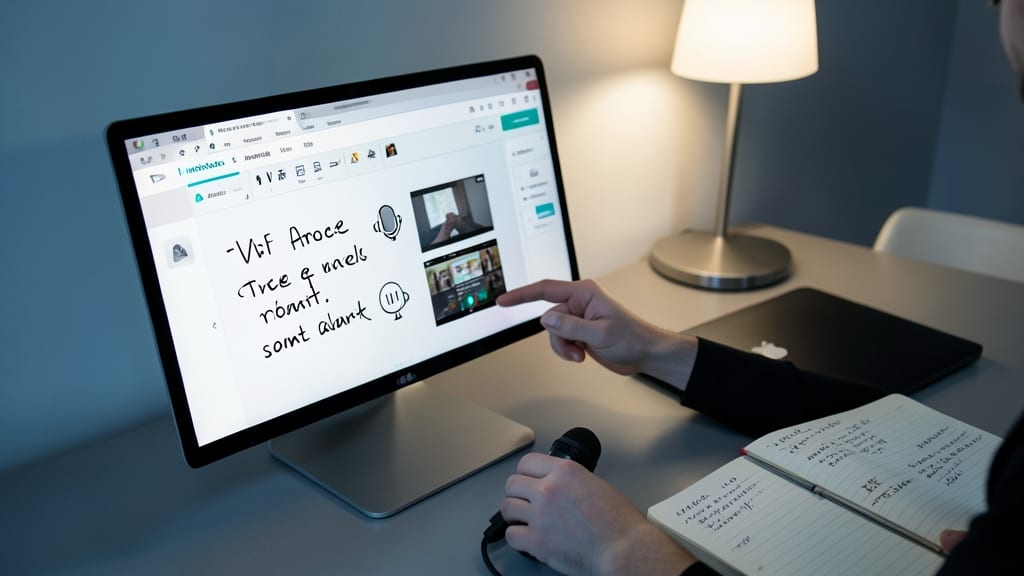
Need to capture a lecture, interview, or brainstorming session but don’t want to juggle multiple apps? OneNote 2013’s audio and video recording tools let you embed voice memos or screen recordings directly into your notes—no extra software required.
Simply click the Insert tab, select Audio or Video, and record straight from your microphone or webcam. The recordings appear as playable media within your note, so you can revisit them anytime. Perfect for interview transcripts, training sessions, or quick brain dumps where verbal context matters more than text alone.
Journalists, educators, and developers will love this feature—it turns OneNote into a multimedia knowledge base without leaving the app. ✨
Tag-Based Search for Instant Retrieval
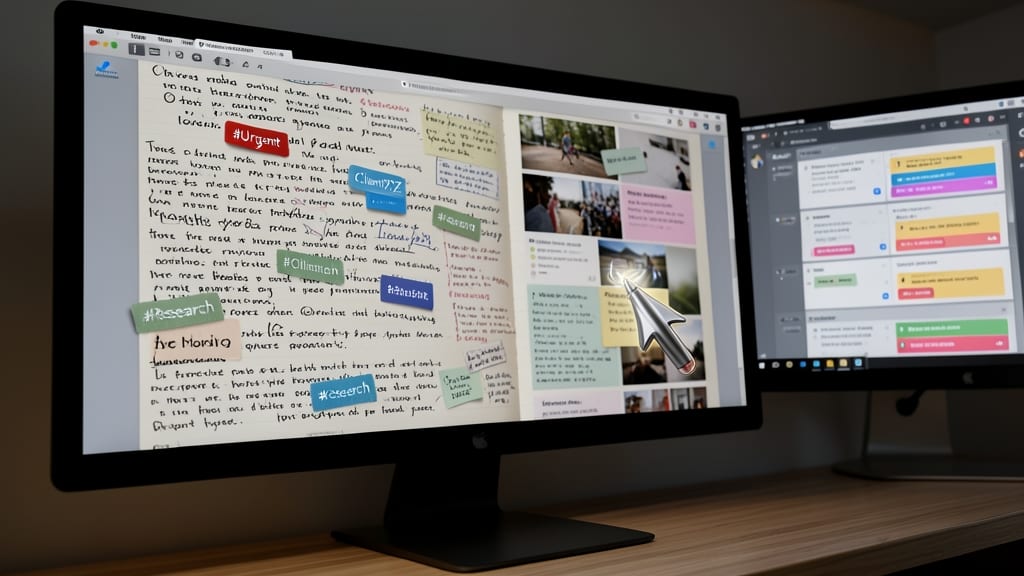
Drowning in notes but struggling to find what you need? OneNote 2013’s tagging system turns your notebooks into a searchable database—no more digging through pages. Create custom tags like #Urgent, #ClientXYZ, or #Research, then apply them to notes with a single click. These tags become search filters, instantly pulling up all related content.
The magic happens when you combine tags with OneNote’s built-in search. Type #ProjectAlpha in the search bar, and every note tagged with that label appears—even if buried in a 500-page notebook. You can also color-code tags for visual scanning, making high-priority items stand out at a glance. For power users, the Tag pane (View → Show Tags) lets you browse all tags at once, turning your notes into an interactive index.
This trick is a game-changer for project managers, students, or anyone juggling multiple topics. Spend less time searching and more time creating—your future self will thank you. 💡
Offline Access with Local Notebooks
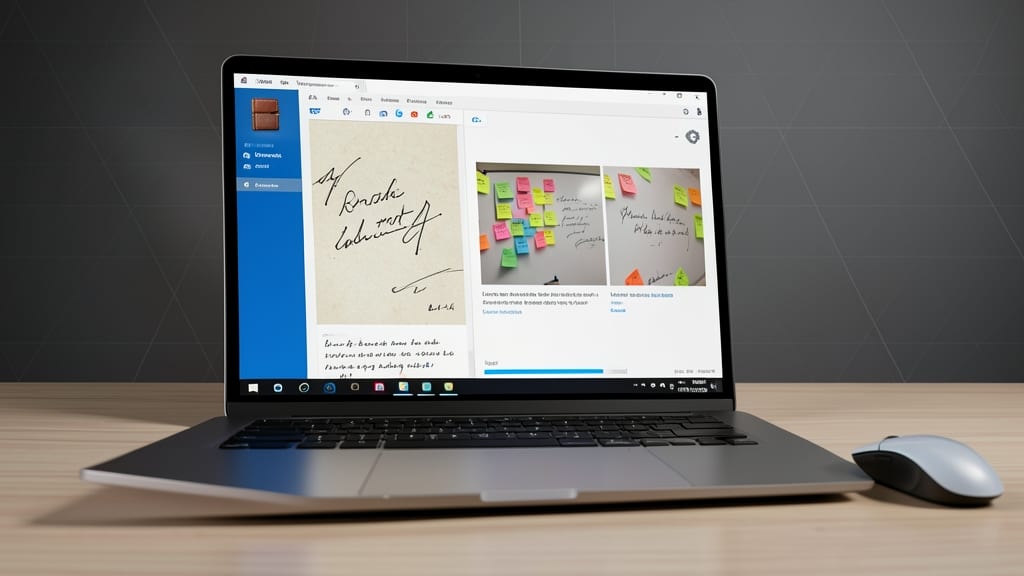
Forge ahead without Wi-Fi interruptions by creating local notebooks that work offline—then sync seamlessly when you reconnect. OneNote 2013 lets you store notebooks directly on your device, eliminating the need for constant cloud access while preserving all your notes, drawings, and media.
To set it up, right-click your notebook in the navigation pane and select "Create a local copy." This creates a standalone version that syncs automatically when online, using minimal storage. Perfect for fieldworkers documenting remote sites or travelers jotting down flight details—your notes stay accessible even in airplane mode or dead zones.
Engineers, journalists, or anyone working in low-connectivity areas will appreciate how this feature bridges the gap between digital and analog reliability. ⚡
Math and Equation Tools
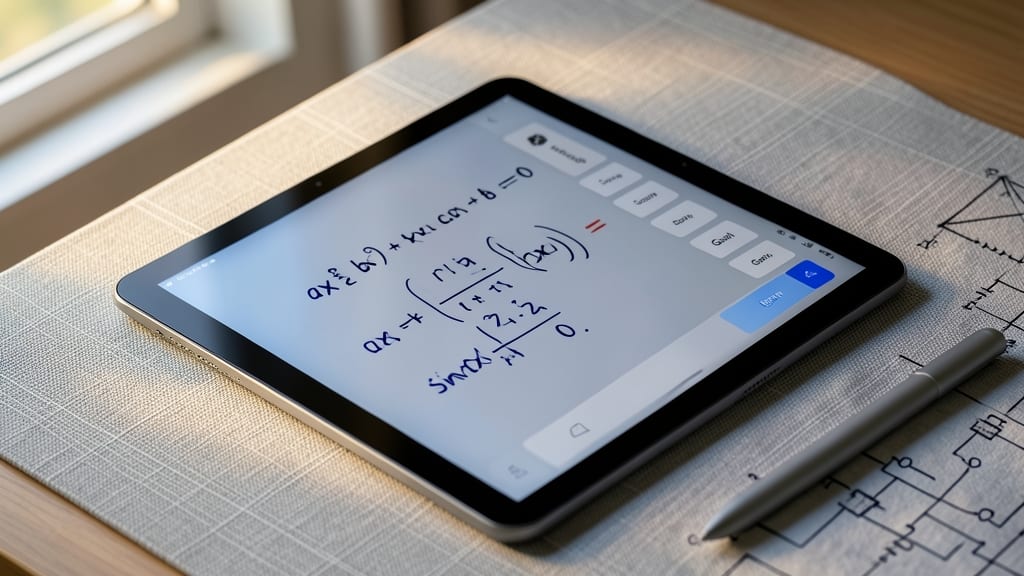
Tired of juggling separate apps for math homework or engineering calculations? OneNote 2013’s built-in Ink Equation Solver turns your notes into a full-featured math workspace—no extra software needed.
Simply write an equation by hand (or type it), then tap the Math Tools button to convert it into digital format. OneNote instantly recognizes variables, fractions, and even complex integrals. Need to solve for x? Highlight the equation and click "Solve"—it’ll show step-by-step solutions. For graphing, use the Graph Paper tool to visualize functions or plot data points with precision.
This feature is a game-changer for students cramming for exams, engineers sketching designs, or anyone who hates switching between apps mid-calculation. No more messy whiteboard photos or clunky external tools—just seamless math workflows in one place. ✨