
Outlook
Microsoft Outlook remains one of the most powerful email tools—but most users only scratch the surface. These 10 hidden Outlook email tips and tricks for 2023 will transform how you manage inbox chaos, automate workflows, and reclaim hours weekly.
Quick Steps for Instant Email Automation
Tired of manually sorting through the same repetitive emails every day? Outlook’s Quick Steps feature lets you automate actions like replying, forwarding, or flagging emails with just one click—no coding required.
Set up a custom Quick Step in seconds by combining actions (e.g., "Reply with template + Flag for Follow-Up"). Use it to auto-categorize expense reports into a dedicated folder or instantly forward client inquiries to your team. The drag-and-drop interface makes it intuitive, and you can save up to 10 Quick Steps per folder.
Perfect for freelancers tracking invoices, sales teams managing leads, or anyone drowning in routine email tasks. Try it today and reclaim 15+ minutes daily! ✨
Focused Inbox for Zero-Inbox Mastery
Drowning in a sea of promotional emails, team chatter, and low-priority messages? Outlook’s Focused Inbox uses AI-powered prioritization to surface only the emails that truly matter—while quietly filtering out the noise. Unlike basic inbox rules, this feature learns from your behavior, adjusting over time to recognize high-impact senders and topics.
Enable it by clicking the Focused Inbox tab in your Outlook app, then customize filters to auto-sort emails by sender priority, keywords, or even your calendar events. For example, flag all emails from your manager as "Focused" while automatically moving newsletters to a separate folder. The best part? It syncs across Windows, Mac, and mobile, so your inbox stays clean no matter where you work.
This trick is ideal for busy professionals, remote teams, or anyone who spends too much time sorting emails instead of acting on them. With Focused Inbox, you’ll finally achieve that elusive "zero-inbox" state—where only what matters demands your attention. 💡
Keyboard Shortcuts Every Power User Needs
Tired of reaching for the mouse every time you need to reply, flag, or search in Outlook? These 20+ keyboard shortcuts will turn you into a speed-typing pro—no mouse required. From Ctrl+Shift+K for instant new messages to Ctrl+Shift+A to mark emails as read, these commands cut workflows in half for power users and accessibility-focused professionals.
Master essentials like Ctrl+Shift+F (search), Ctrl+Shift+D (delete), and Ctrl+Shift+J (junk) to navigate faster, plus advanced tricks like Ctrl+Shift+P to preview emails without opening them. Outlook’s shortcuts even support customizable macros for repetitive tasks—ideal for developers or legal teams processing bulk emails.
Perfect for speed typists, remote workers, or anyone with limited mobility—these shortcuts make Outlook feel like a second brain. ⚡
Email Signature That Adapts Automatically
Tired of sending the same static signature to everyone? Outlook’s dynamic signature feature lets you tailor your email footer based on the recipient’s domain—no manual swapping required. For example, show your full contact details and company logo to clients but keep it minimal for internal team emails.
Set this up in Outlook for Windows by creating multiple signatures (e.g., "Client," "Internal") and using conditional rules in the signature editor. The tool automatically detects domains like @gmail.com or @company.com and applies the right version. You can also add dynamic placeholders for job titles or phone numbers that update automatically from your contact card. ⚡
This trick is a game-changer for sales teams, consultants, or multi-role professionals who juggle different communication styles. No more awkwardly long signatures when chatting with colleagues! 💻
Rules to Silence Meeting Spam Forever
Tired of your calendar overflowing with social event invites, low-priority notifications, or meeting spam that clutters your schedule? Outlook’s Rules feature lets you silence the noise automatically—no manual sorting required. This hidden tool is a lifesaver for remote workers juggling meetings or executives drowning in calendar chaos.
Create a rule to delete, move, or categorize unwanted invites based on sender, keywords, or even time zones. For example, block all invites from "social@company.com" or auto-archive events marked "Low Priority." You can even set rules to silence notifications entirely for specific senders, ensuring your focus stays intact. The best part? Rules sync across Outlook for Windows, Mac, and mobile, so your calendar stays clean no matter where you work.
This trick is ideal for executives, remote teams, or anyone who spends too much time managing invites instead of executing. With just a few clicks, you’ll reclaim hours weekly—and finally enjoy a spam-free calendar. ✨
Search Operators for Finding Emails Instantly
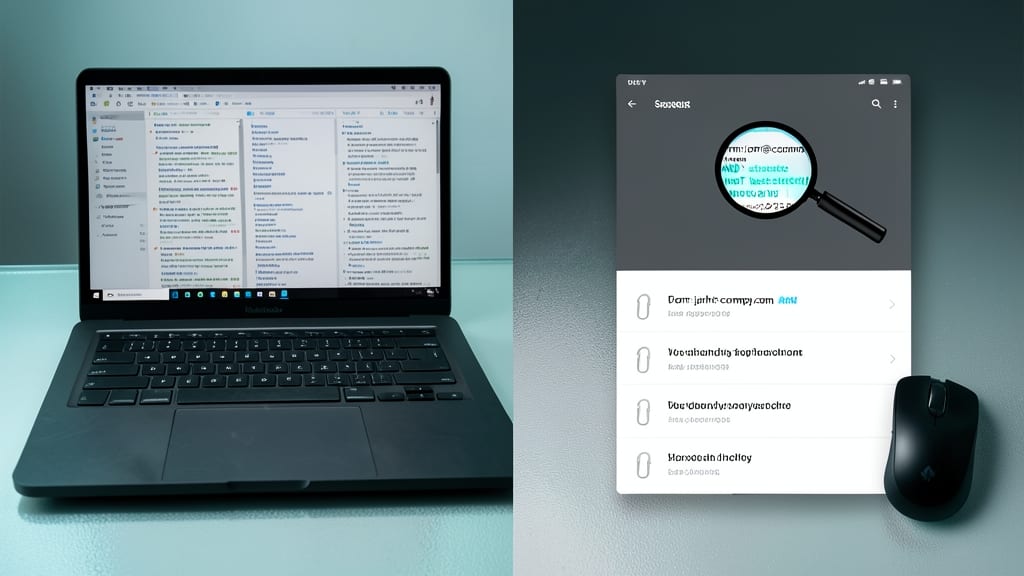
Drowning in a sea of emails but can’t find that one critical message? Outlook’s advanced search operators turn your inbox into a precision tool—no more scrolling for hours. With Boolean logic (AND, OR, NOT) and field-specific queries (from:, subject:, has:attachment), you’ll locate emails in seconds, even in folders with thousands of messages.
Try combining operators like from:client AND subject:report AND received:2023-01 to pinpoint exact emails, or use has:attachment NOT category:archive to find unread files. Outlook also supports date ranges (1/1/2023..3/31/2023) and sender domains (@company.com) for laser-focused results. These tricks are especially valuable for legal teams reviewing contracts or researchers tracking correspondence.
Perfect for anyone juggling high-volume inboxes—whether you’re a freelancer chasing invoices or a manager buried in team communications. Master these, and your email searches will feel like magic. ✨
Sweep Feature to Declutter Inbox Monthly
If your inbox feels like a digital landfill of old receipts, newsletters, and forgotten threads, Outlook’s Sweep feature is your one-click cleanup crew. Unlike manual archiving, it permanently removes clutter while keeping conversations tied to active projects—no more digging through years of "Maybe I’ll read this someday" emails.
Here’s how it works: Select folders (like Sent Items or old newsletters), choose a retention period (e.g., 6 months), and let Outlook auto-delete duplicates or outdated emails while preserving threads linked to your Focused Inbox. It’s perfect for quarterly deep cleans—just set it to run monthly and reclaim 500+ emails without lifting a finger. The best part? You can test it on a backup folder first to avoid accidental deletions.
This is the ultimate solution for busy professionals who dread manual decluttering or small business owners juggling client communications. Set it up once, and your inbox stays lean year-round. ✨
Focused Inbox for Teams Collaboration
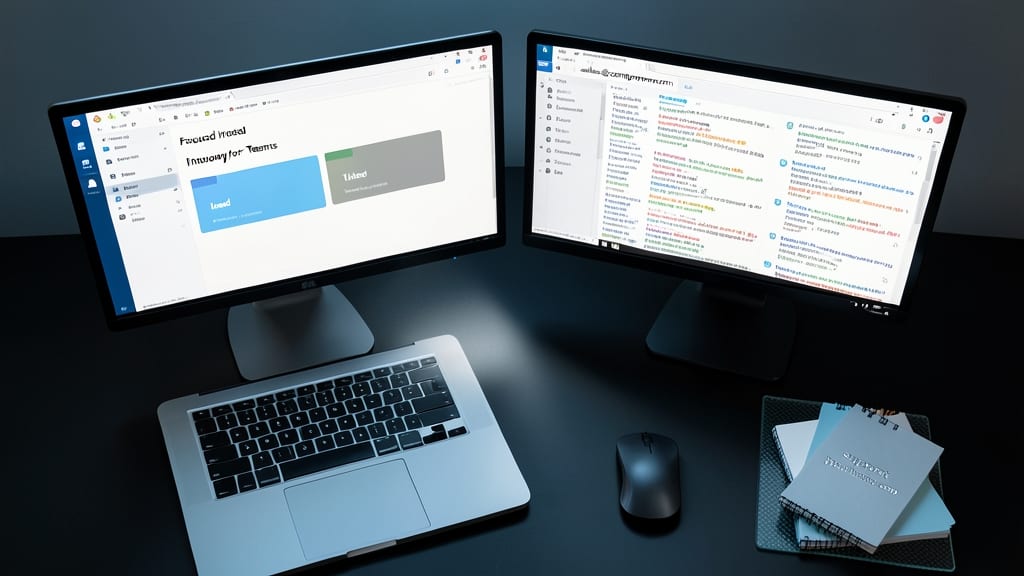
Shared inboxes like sales@company.com or support@yourbrand.com can become chaotic without structure. Outlook’s Focused Inbox for Teams feature lets you create custom categories—like "Lead," "Partner," or "Ticket"—so every message lands in the right virtual "folder" automatically, even before anyone opens it.
Set up rules to auto-categorize emails based on sender domain, keywords, or priority flags. For example, tag all emails from @client.com as "Lead" and route them to your sales team’s view, while @support.com tickets get flagged for urgent response. Teams can even assign colors to categories for visual clarity, ensuring no critical message slips through the cracks.
This is a game-changer for remote teams juggling multiple shared inboxes—no more digging through 50 unread emails to find the right conversation. Ideal for sales, support, or HR teams managing high-volume communications across domains. ✨
Read Receipts and Delivery Confirmations
Ever sent a critical email and wondered if it was actually read? Outlook’s read receipts and delivery confirmations let you track opens and confirmations—without requiring recipient action. This feature is a game-changer for sales teams, legal deadlines, or internal approvals where follow-up timing matters.
To enable it, compose your email, click Options, then check Request a read receipt (for opens) or Delivery receipt (for confirmation). Outlook will notify you when the recipient opens the email or when their server acknowledges delivery. For Exchange accounts, this works seamlessly, while IMAP/Gmail users may need to adjust settings via their email provider.
Perfect for sales professionals tracking prospect engagement or project managers ensuring approvals aren’t stuck in inboxes. Just remember—some recipients may disable these, so use them strategically. ✨
Outlook Mobile App Hidden Gems
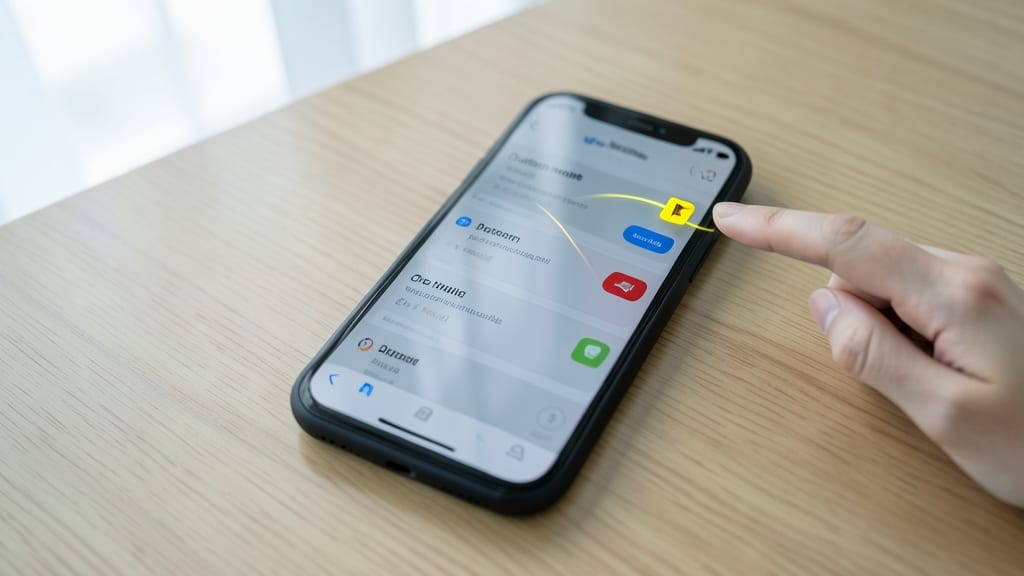
Tired of treating your phone as a secondary email device? The Outlook mobile app packs desktop-level power into your pocket—if you know where to look. Swipe left or right to archive, flag, or delete emails in one motion, just like the desktop app. No more tapping through menus when you’re on the go!
You also get offline access to drafts, sent items, and even attachments (with the Outlook for Windows 10/11 app synced via OneDrive). Need to dictate an email hands-free? The voice typing feature (tap the mic icon in compose mode) turns your phone into a transcription tool—perfect for quick replies during commutes or meetings. Plus, swipe gestures for calendar events let you reschedule or decline invites faster than ever.
This is a game-changer for road warriors, remote workers, or anyone juggling devices. Whether you’re replying to clients on your lunch break or drafting a report during a layover, these hidden gems keep you as productive on mobile as you are at your desk. ✨